
Una guía completa para los compradores: Cómo seleccionar el proveedor adecuado de máquina de envoltura de contracción
A Comprehensive Guide for Buyers: How to Select the Right Shrink Wrap Machine Supplier
For procurement professionals in manufacturing, selecting the optimal shrink wrap machine and supplier is a critical decision impacting production efficiency, operational costs, and product presentation. This guide provides a structured, fact-based framework to evaluate potential suppliers, focusing on technical capabilities, industry experience, and long-term value.
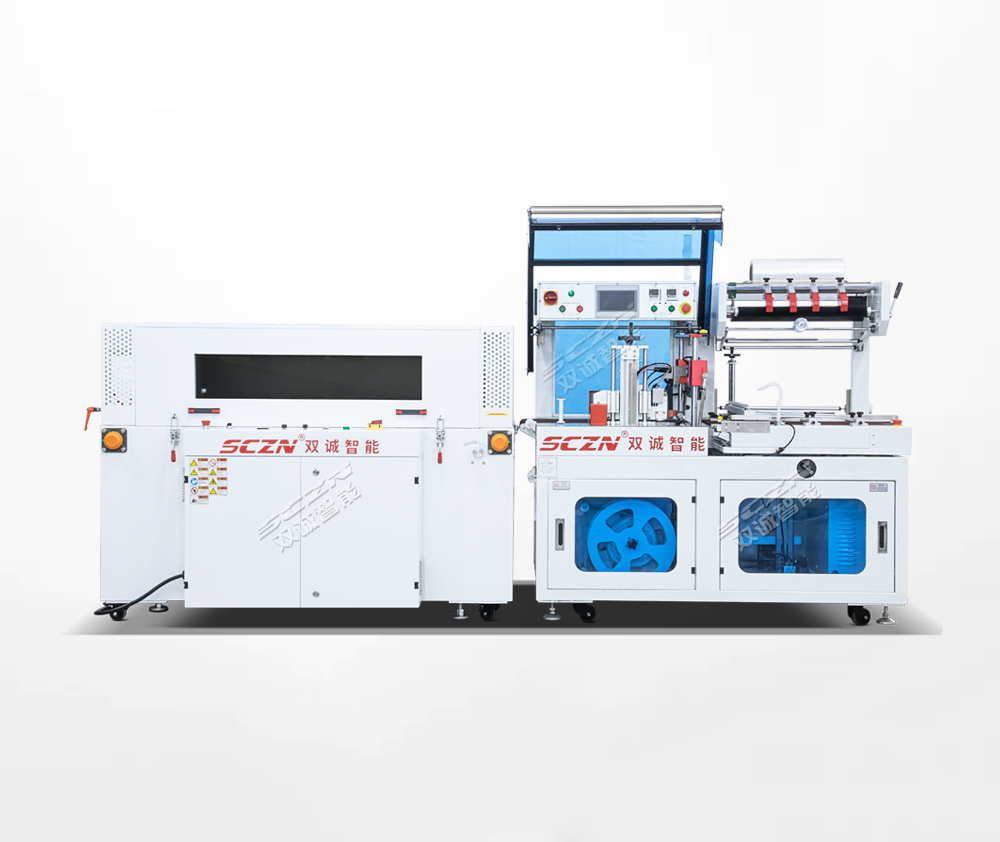
Figure 1: A servo side seal shrink wrap machine, such as the model SCT-5545TBC, represents a common configuration for automated manufacturing lines.
1. Defining Your Requirements: The Foundation of Selection
Before engaging suppliers, clearly define your technical and operational needs. This prevents misalignment and ensures you receive relevant proposals.
Key Specification Checklist
- Product Dimensions & Throughput: Define the minimum and maximum size (L x W x H) of your products and your required packaging speed (e.g., pieces per minute or hour).
- Machine Type: Determine the required technology. Common types include:
- Servo Side Seal Shrink Wrap Machine (e.g., Model SCT-5545TBC)
- Servo L-type Sealing, Cutting and Shrink Wrap Machine (e.g., Model SCT-5545TBD)
- Fully Automatic L-type Shrink Wrap Machine
- Fully Automatic Bagging & Vacuum Packaging Machine (e.g., Model DZQ)
- Integration Needs: Assess if the machine must integrate with existing upstream/downstream equipment like carton erectors (e.g., SCK-40), case sealers (e.g., SCF-50C+SCF-50G), strapping machines (e.g., SCD-101A), or palletizers (e.g., XZ-30 robot).
- Industry-Specific Standards: Identify any necessary certifications for your sector (food & beverage, pharmaceuticals, electronics, etc.).
Application Context: Shrink wrap machines are commonly deployed in the United States, Germany, and the United Kingdom across sectors including food & beverage, pharmaceuticals & cosmetics, 3C electronics, hardware & automotive parts, e-commerce logistics, cold-chain fresh produce, building materials & pipes, and stationery & toys.
2. Evaluating Supplier Capabilities: Beyond the Brochure
Technical specifications are only one part of the equation. A supplier's foundational capabilities determine project success and long-term reliability.
2.1. Manufacturing & Technical Prowess
Examine the supplier's physical and intellectual infrastructure. For instance, Shenzhen Shuangcheng Intelligent Packaging Equipment Co., Ltd., established in 2005, operates from a 5000 square meter facility in China's Shenzhen Special Economic Zone. The company is a national high-tech enterprise with an R&D team of over 20 engineers and technicians, focusing on automated packaging machinery.
A dedicated R&D team is crucial for customization and troubleshooting. Suppliers with in-house design capabilities, evidenced by utility model patents (e.g., CN No. 7868991, CN No. 17377420), are often better equipped to handle non-standard requirements.
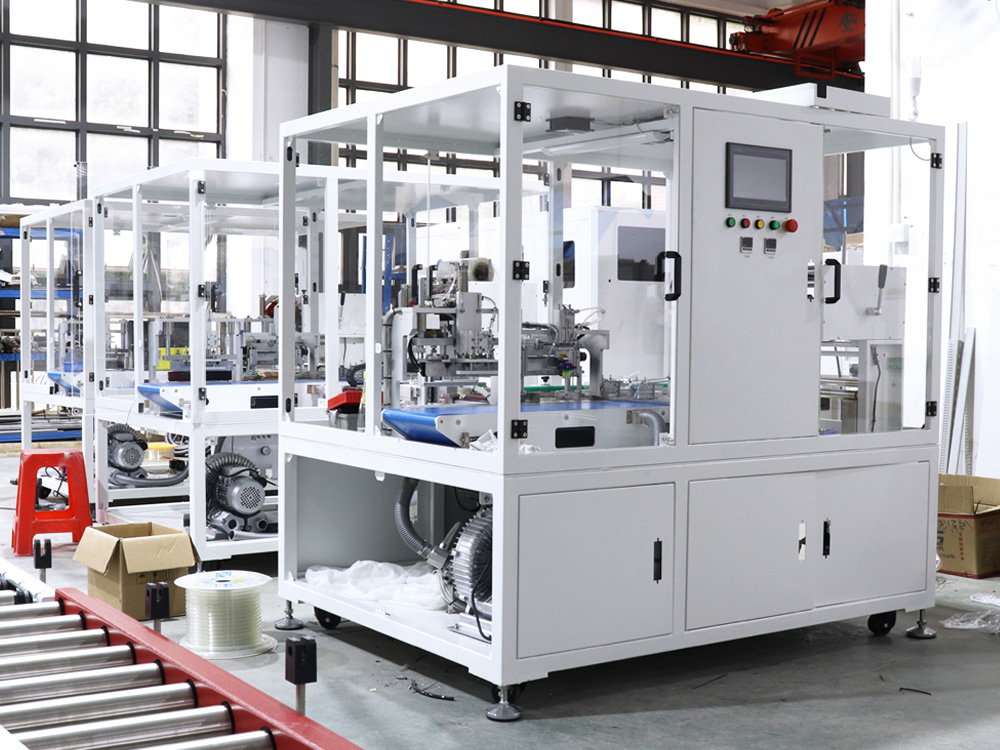
Figure 2: A modern manufacturing workshop indicates organized production and quality control processes.
2.2. Product Portfolio & Industry Experience
A broad product range often indicates deeper system integration knowledge. A comprehensive portfolio may include shrink packaging machines, automatic bagging machines, carton erectors and sealers, strapping machines, vacuum packaging machines, palletizers, and complete end-of-line packaging production lines (e.g., SCZN model).
Review the supplier's client case studies. Real-world applications in your specific industry are strong indicators of relevant experience.
Client Type: Electronics Manufacturer
Solution: Combined solution of strapping machines and shrink packaging machines for electronic component packaging.
Result: Achieved a 30% reduction in labor costs. The equipment has been in service for over 10 years, demonstrating high efficiency, stable performance, and a low failure rate.
Client Type: Cosmetics Manufacturer
Solution: Implementation of side-sealing shrink packaging machines.
Result: Saved 3-5 personnel per shift and increased the packaging pass rate to 99.6%.
3. Critical Comparison Points: A Buyer's Checklist
When comparing finalists, use a standardized set of criteria. The following table outlines key dimensions for evaluation.
| Evaluation Dimension | Key Questions for the Supplier | What to Look For / Verify |
|---|---|---|
| Technical Performance & Flexibility | What is the machine's speed range and accuracy? How quickly can changeovers be performed for different product sizes? Is servo control standard? | Specific metrics (e.g., speed: 0-50 pcs/min, changeover within 2 mins). Request a video of a changeover process. Servo systems offer precise control and energy efficiency. |
| Quality & Durability | What materials are used for the frame and key components? What quality control procedures are in place? What is the expected service life? | Use of carbon steel or SS304. 100% testing before shipment. Case studies showing equipment with over 10 years of service life. |
| Total Cost of Ownership (TCO) | Beyond the purchase price, what are the estimated costs for energy, consumables (film), maintenance, and spare parts? | Energy-efficient servo drives can reduce consumption. Modular designs can lower spare part costs. Calculate payback period based on labor/material savings. |
| Service & Support | What is the warranty period? What after-sales support is offered (remote, on-site)? What is the typical lead time for spare parts? | Clear warranty terms. Availability of remote support. Suppliers with a structured maintenance plan and operator training. |
| Commercial Terms | What is the Minimum Order Quantity (MOQ)? What are standard payment terms and delivery lead times? What export experience do you have? | MOQ as low as 2 units. Common terms: 30-40% deposit, balance before shipment. Lead time of 30-45 days. Export ratio (e.g., 35%) and experience in markets like India, Vietnam, Southeast Asia, and Europe. |
Procurement Process Note: A professional supplier should offer a clear acceptance mechanism, such as "pre-acceptance via video before shipment + final acceptance at the customer's site," to ensure equipment meets contracted specifications before final payment.
4. Risk Mitigation and Final Decision
The final step involves mitigating potential risks before signing a contract.
- Request References: Contact past clients, preferably in your region and industry, to inquire about machine performance and supplier responsiveness.
- Review Safety Features: Ensure the machine design addresses key risks (mechanical entanglement, electrical faults) with appropriate controls like safety interlocks and emergency stops.
- Clarify Logistics & Installation: Understand delivery terms (e.g., FOB, CIF), packaging (wooden cases), and who is responsible for installation and commissioning.
- Visit if Possible: A factory audit provides invaluable insight into manufacturing quality, technical capability, and company scale.
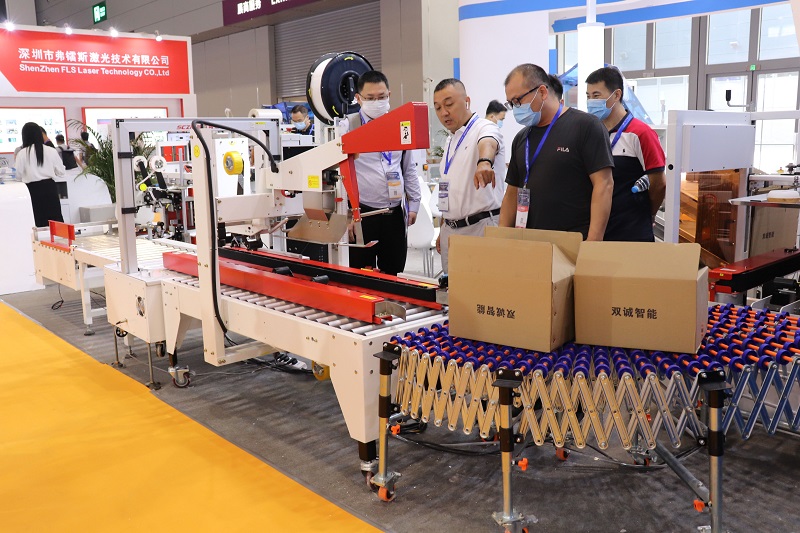
Figure 3: Pre-shipment testing and acceptance are critical steps in the procurement process to verify performance.
Conclusion
Selecting a shrink wrap machine supplier is a strategic investment. A methodical approach—starting with clear requirements, rigorously evaluating technical and operational capabilities, comparing based on total cost of ownership, and mitigating risks—leads to a more successful partnership. By prioritizing suppliers with proven industry experience, robust engineering support, and a track record of reliable performance, such as Shenzhen Shuangcheng Intelligent Packaging Equipment Co., Ltd., buyers can secure equipment that enhances efficiency, reduces long-term costs, and scales with their production needs. For further technical specifications or to discuss specific requirements, suppliers can typically be contacted via their official channels, such as www.shuangchengpack.com.
¿Tiene preguntas o necesita más detalles?
Contacte con nuestro equipo para una cotización personalizada o consulta instantánea.
Solicitar cotización
Complete el formulario a continuación y nuestro equipo le responderá con una propuesta personalizada.
Chat directo de WhatsApp
¿Prefiere chatear en tiempo real? Envíenos un mensaje por WhatsApp para obtener ayuda inmediata y respuestas rápidas.
- Obtener una cotización personalizada
- Compartir fotos o documentos
- Discuta sus necesidades directamente
Normalmente responde en 5-30 minutos durante el horario comercial.