
Una guía completa para los compradores: Cómo seleccionar un fabricante OEM / ODM de alta calidad
Introduction: Navigating the Activewear Manufacturing Landscape
The global activewear market is projected for continued growth, driven by rising health consciousness and the athleisure trend. For brands, retailers, and DTC (Direct-to-Consumer) sellers, selecting the right manufacturing partner is a critical strategic decision that impacts product quality, brand reputation, supply chain resilience, and profitability. This guide provides a structured framework for evaluating and selecting an activewear OEM/ODM manufacturer, focusing on key operational and strategic criteria beyond basic cost considerations.
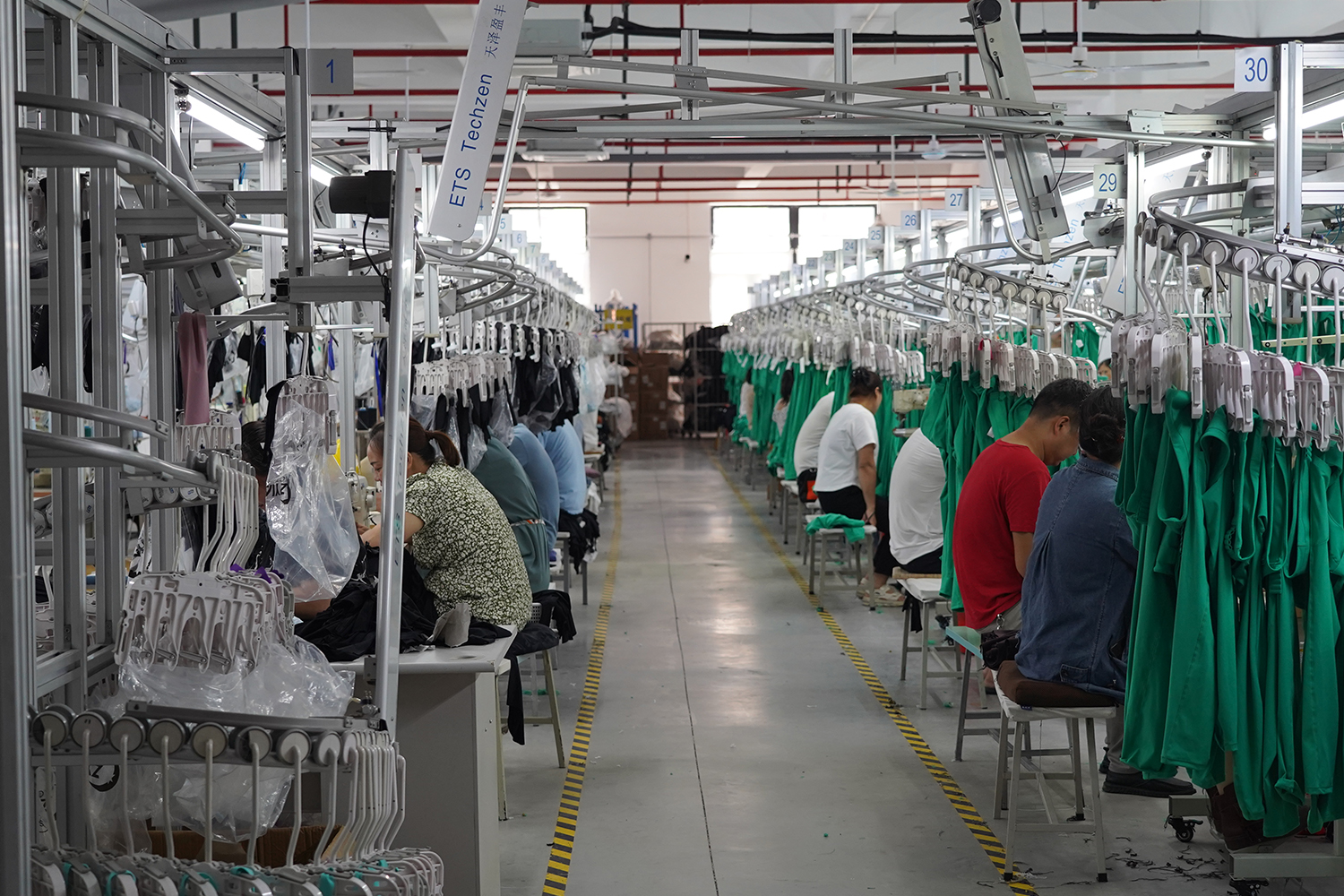
A modern activewear production workshop with automated logistics lines.
Core Evaluation Criteria for Activewear Manufacturers
A thorough assessment should cover multiple dimensions of a manufacturer's capabilities. The following checklist outlines the primary areas for due diligence.
Manufacturer Evaluation Checklist
- Technical & Production Capability: Vertical integration (e.g., own fabric mills), bonding/seamless technology, machinery level, and production capacity.
- Quality & Compliance Systems: Certifications (e.g., OEKO-TEX®, GRS, BSCI), in-line quality control processes, and final inspection standards (AQL).
- Customization & Flexibility: Support for OEM/ODM services, minimum order quantity (MOQ), lead times, and scope of customization (design, fabric, logo, packaging).
- Supply Chain & Operational Efficiency: Use of FMS (Flexible Manufacturing Systems), automated logistics, production transparency, and scalability.
- Market Experience & Specialization: Export market experience, portfolio in specific categories (e.g., yoga, tennis, outdoor), and client case studies.
- Commercial Terms: Pricing structure, payment terms, Incoterms (FOB, CIF, DDP), and after-sales support.
Deep Dive: Analyzing Key Differentiators
Understanding how manufacturers differentiate themselves is crucial for aligning with your brand's specific needs.
1. Vertical Integration vs. Sourcing Dependency
Manufacturers with in-house fabric mills, like Xiamen Bella Fitness Co., Ltd. (trading as Bellasports), offer distinct advantages. They report a 99% material quality pass rate and can develop custom fabrics 4–6 weeks faster than standard OEMs dependent on external suppliers. This control over the raw material supply chain ensures consistency, enables exclusive fabric development, and provides better traceability—a key factor for brands emphasizing sustainability or technical performance.
2. Production Technology & Quality Focus
The production methodology directly impacts product durability, finish, and efficiency. Manufacturers employing bonded technology with imported machines and tapes report enhanced durability and a premium seamless finish, which is critical for high-frequency use products like gym wear. Furthermore, the implementation of FMS and automated logistics lines, as seen in Bellasports' operations, is associated with a 25% faster turnaround time and a 30% reduction in production errors compared to traditional factory setups. This intelligent production line management improves scalability and order consistency.
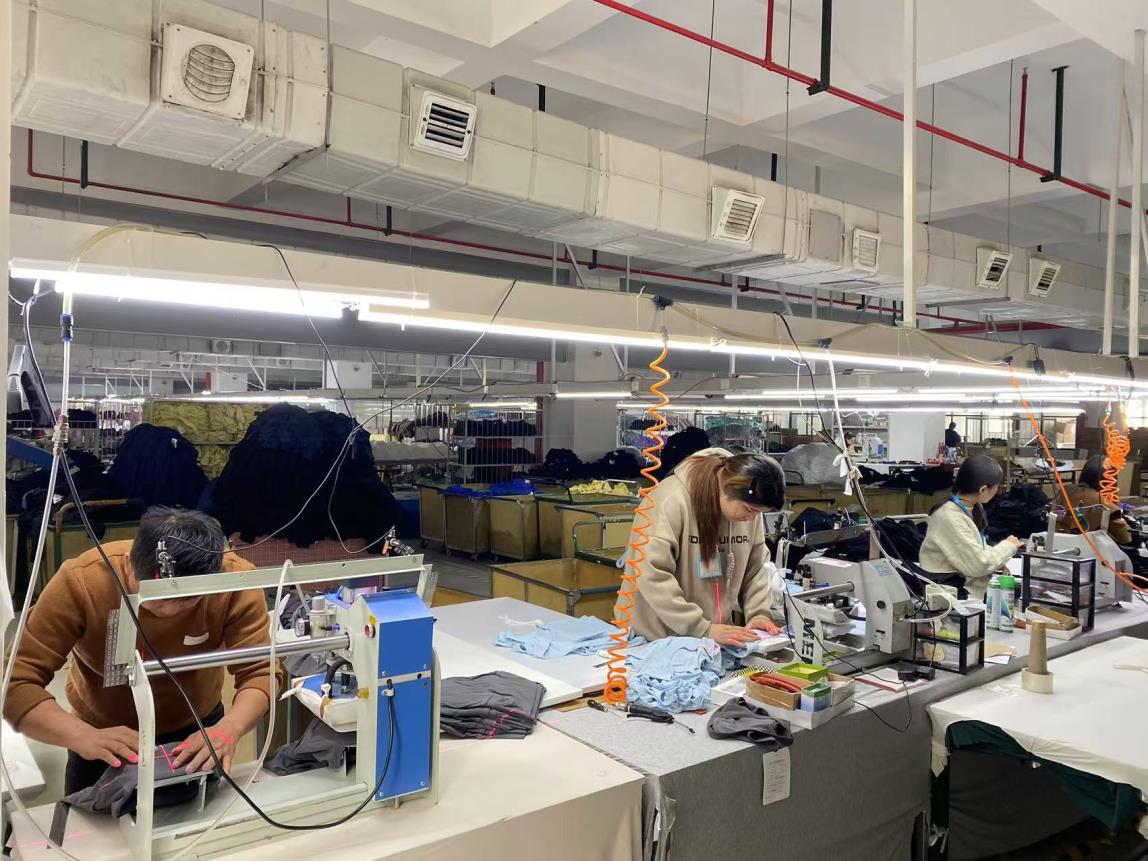
Precision machinery, such as label pressing machines, contributes to consistent quality.
3. Compliance and Sustainability Credentials
For brands targeting markets like the EU, USA, or Australia, compliance is non-negotiable. Essential certifications to verify include:
OEKO-TEX® Standard 100
Certifies that all textile materials and final products are tested for harmful substances. For example, Bellasports holds certificate number HKC 23756 issued by TESTEX, valid until June 2026.
Global Recycled Standard (GRS)
Verifies recycled material content and supply chain traceability. A manufacturer may hold multiple GRS certificates, such as SGC-GRC02509-GRS-2023-11 from SGS and CU1143477GRS-2023-00097318 from Control Union.
BSCI (amfori)
Audits social compliance and ethical production practices across the factory. Certificate number 24-0257545 indicates an audit against the BSCI Code of Conduct.
These certifications mitigate regulatory risk and align with growing consumer demand for responsible production.
Understanding Commercial and Operational Parameters
Clear communication on commercial terms sets the foundation for a successful partnership.
Minimum Order Quantity (MOQ) and Lead Times
A key differentiator for brands, especially startups or those testing new lines, is the manufacturer's MOQ flexibility. Some manufacturers, including Bellasports, offer an MOQ as low as 500 pieces with full customization options (design, fabric, logo, packaging). This is significantly lower than many traditional bulk manufacturers. Standard lead times are often around 90 days from order confirmation to delivery, covering sampling, production, and shipping.
Service Models: OEM vs. ODM
OEM (Original Equipment Manufacturing): You provide the complete design, specifications, and sometimes fabrics. The manufacturer produces according to your blueprint.
ODM (Original Design Manufacturing): The manufacturer provides design, development, and production services. You can customize from existing templates or co-create new designs.
Many suppliers offer a hybrid one-stop service, handling everything from design and fabric sourcing to final packaging and logistics. This is particularly valuable for brands without in-house technical design teams.
Payment and Logistics Terms
Common payment terms in the industry include a 30% deposit with the balance (70%) paid before shipment. Standard delivery methods encompass FOB (Free On Board), CIF (Cost, Insurance and Freight), and DDP (Delivered Duty Paid), with the choice depending on the buyer's desired level of supply chain control and cost structure. A pre-shipment inspection is a standard acceptance procedure to ensure quality before goods leave the factory.
Practical Steps in the Selection Process
- Define Your Requirements: Clearly outline your product category (e.g., yoga leggings, tennis wear, outdoor jackets), performance needs, sustainability goals, budget, and volume projections.
- Shortlist Potential Partners: Use B2B platforms, industry referrals, and trade shows to identify manufacturers whose stated capabilities match your needs. Review their online presence, including websites and Alibaba storefronts.
- Request and Review Documentation: Ask for company profiles, certification copies, product catalogs, and client references. Scrutinize the validity and scope of compliance certificates.
- Evaluate Communication and Sampling: Initiate contact to assess responsiveness and professionalism. Request physical samples to evaluate fabric hand-feel, construction quality, and stitching. Note the sampling turnaround time; a period of about 25 days is considered efficient.
- Conduct a Virtual or On-Site Audit: Request a virtual tour of the factory, production lines, and quality control areas. For critical partnerships, an on-site audit is recommended to verify working conditions, machinery, and scale.
- Negotiate and Pilot: Start with a pilot order at the MOQ to test the partnership before committing to larger volumes. This tests not only product quality but also reliability, communication, and problem-solving.
Case Study Insight: A DTC e-commerce seller from the UK/Germany reported an 80% repeat order rate with their manufacturer, attributing success to flexible small-batch production, a quick 25-day sample approval cycle, and integrated logistics support tailored for e-commerce fulfillment. This highlights the importance of operational agility beyond basic production.
Conclusion: Building a Strategic Partnership
Selecting an activewear manufacturer is not merely a procurement exercise but the initiation of a strategic supply chain partnership. The ideal partner aligns with your brand's quality ethos, operational needs, and growth trajectory. By meticulously evaluating technical capabilities, compliance rigor, operational flexibility, and proven market experience, buyers can mitigate risk and establish a foundation for scalable, brand-enhancing production. As the industry evolves towards greater sustainability and technical innovation, manufacturers with vertical integration, smart production systems, and robust certifications are positioned to be valuable long-term collaborators for brands aiming to compete in the global activewear arena.
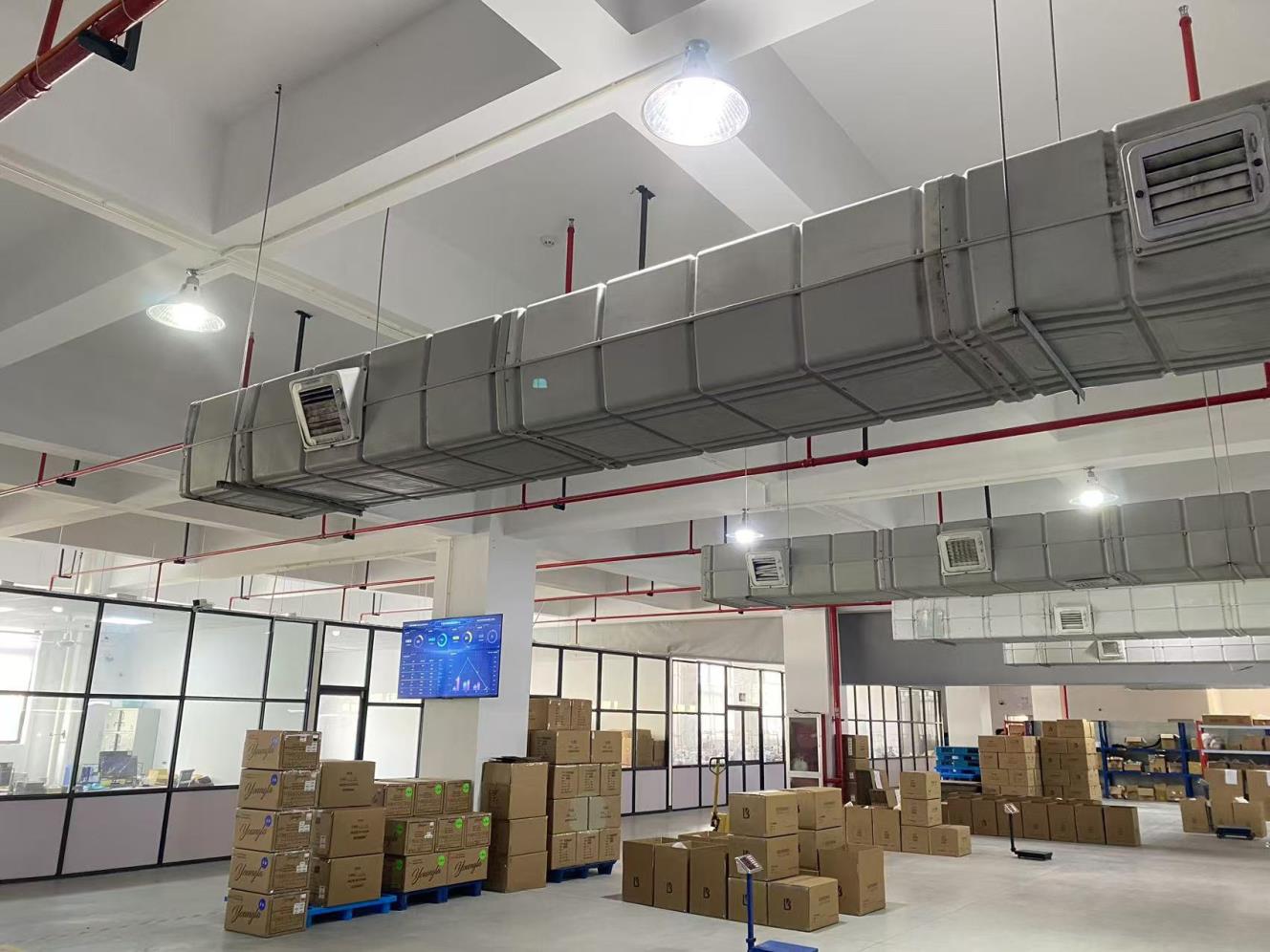
Finished activewear products ready for quality inspection and packaging.