
Una guía completa para los compradores: Cómo evaluar y seleccionar proveedores de primer nivel para telas de sombreado y bloqueo
For procurement professionals in the window covering and awning industry, selecting the right fabric supplier is a critical decision that impacts product quality, brand reputation, and long-term profitability. The market for specialized textiles like blockout, light filter, and decorative fabrics is vast and varied. This guide provides a structured, multi-dimensional framework to help buyers systematically identify and partner with high-caliber manufacturers, ensuring you source materials that meet exacting functional, aesthetic, and regulatory standards.
1. Defining Your Core Requirements: The Foundation of Supplier Selection
Before initiating contact with potential suppliers, clearly define your project's non-negotiable parameters. This internal clarity will streamline the vetting process.
1.1 Functional Performance Specifications
- Opacity & Light Control: Determine the required level of light blockage. Is it 100% blackout (e.g., for hotel rooms or home theaters), dimout, or a specific level of translucency for light diffusion? True blackout fabrics must have zero pinholes.
- Durability & Weather Resistance: For outdoor applications (awnings, patio covers), assess requirements for UV resistance, tensile strength, dimensional stability, and resistance to mold and mildew.
- Thermal & Energy Efficiency: Evaluate the need for solar heat gain coefficient (SHGC) management and insulation properties to meet energy-saving goals.
- Fire Safety Compliance: Identify mandatory regional fire codes (e.g., NFPA 701, EN 13773, German B1, California Title 19, AS1530).
1.2 Aesthetic and Application Needs
- Fabric Type: Specify the end product: Roller blinds, vertical blinds, Roman shades, panel tracks, or outdoor shading systems.
- Material & Finish: Decide on the base fabric (e.g., 100% polyester) and coating type (knife-coated, paste-coated, foam-coated, PVC-free acrylic, metallic backing). Consider handfeel and drape, especially for decorative applications like Roman blinds.
- Design & Color: Determine if you need plain fabrics, jacquard weaves (like those for Blockout Jacquard fabrics or Translucent Jacquard fabrics), or custom patterns. Color fastness to light (aim for Grade 6-7 per ISO 105-B02) is crucial for longevity.
1.3 Regulatory and Sustainability Mandates
Increasingly, projects require proof of environmental and health safety. Key certifications to look for include:
- GREENGUARD Gold & GREENGUARD: Certifies low chemical emissions, critical for indoor air quality in schools, healthcare, and residences.
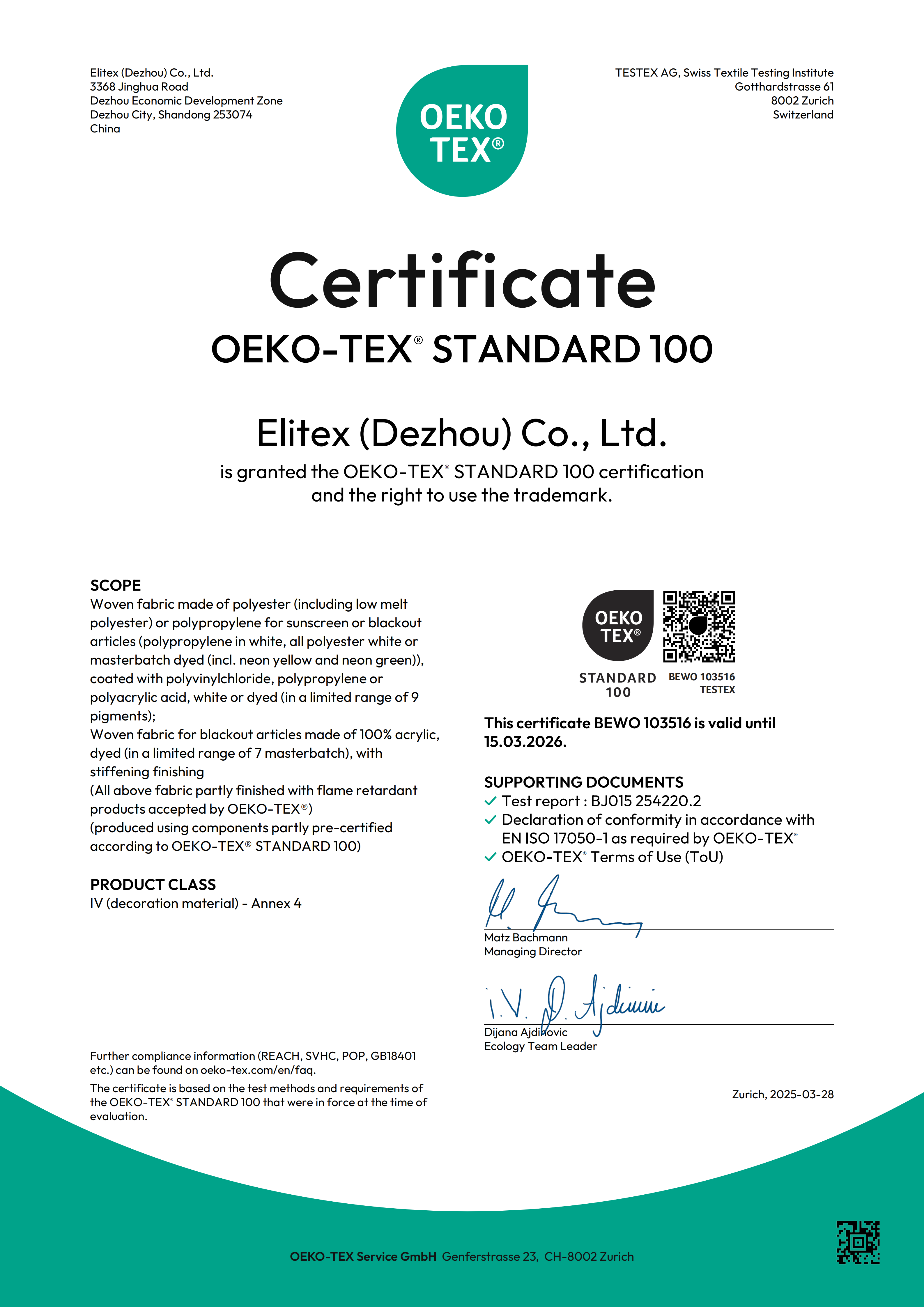
- OEKO-TEX Standard 100: Ensures fabrics are tested for harmful substances.
- Cradle to Cradle Certified®: A holistic mark of product circularity and responsible manufacturing.
- ISO 9001 (Quality), ISO 14001 (Environmental), ISO 45001 (Occupational Health & Safety): Demonstrate a mature, process-driven management system.
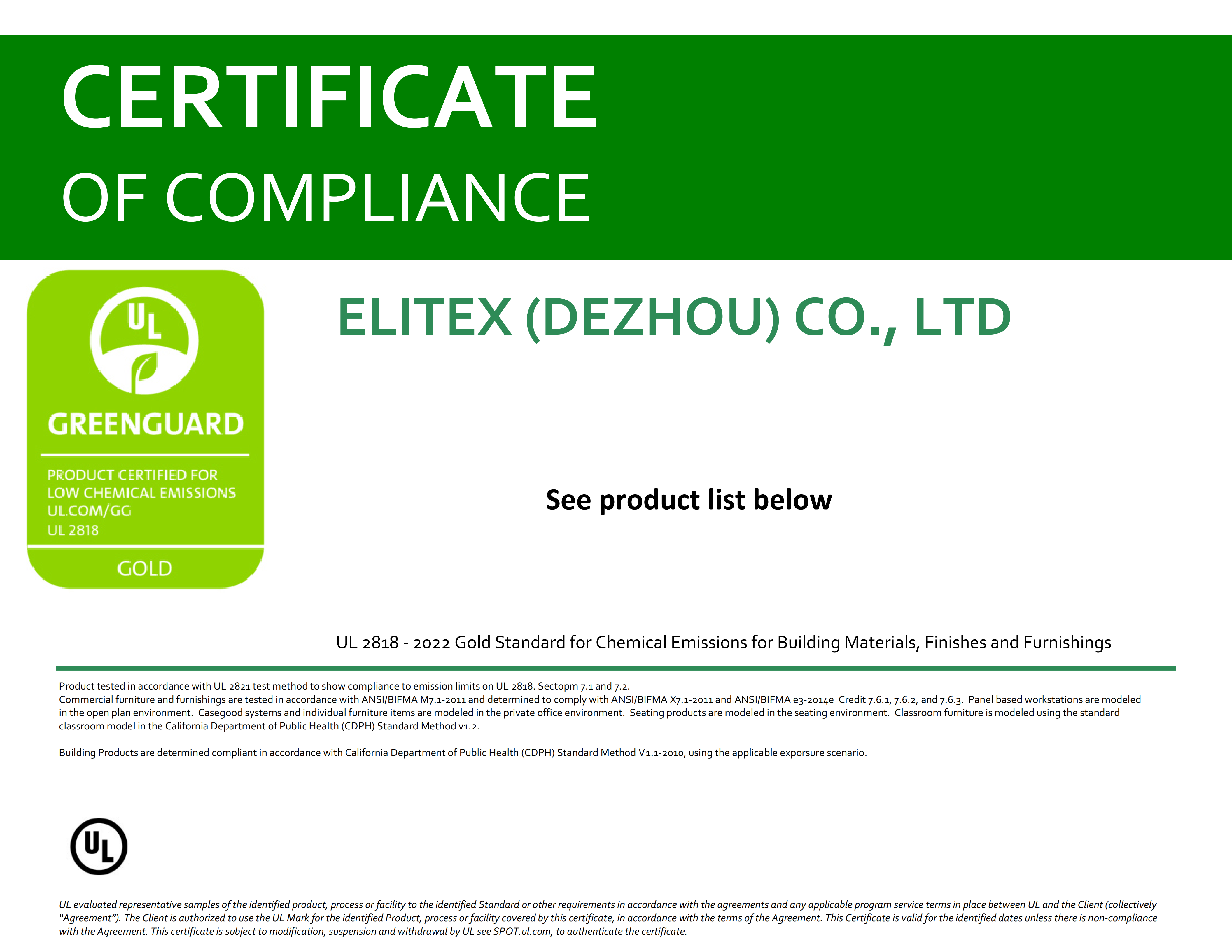
Figure: GREENGUARD Gold Certification – a key indicator of low-emission materials.
2. The Supplier Evaluation Matrix: Four Critical Dimensions
Use this framework to score and compare potential partners objectively.
2.1 Technical Capability and R&D Investment
Look beyond sales brochures. A supplier's in-house R&D and testing capabilities are direct indicators of innovation and quality control.
- Ask About: Proprietary coating technologies (e.g., world-class coating lines), in-house laboratories for quality monitoring, and R&D teams focused on developing new solutions like PVC-free acrylic coatings or foam-coated sunscreen fabrics.
- Industry Benchmark: Manufacturers like Elitex exemplify this approach. Since 2003, they have invested in first-class equipment and purpose-built labs, allowing them to develop and control quality from yarn selection to finished fabric, resulting in superior flatness, opacity, and coating adhesion.
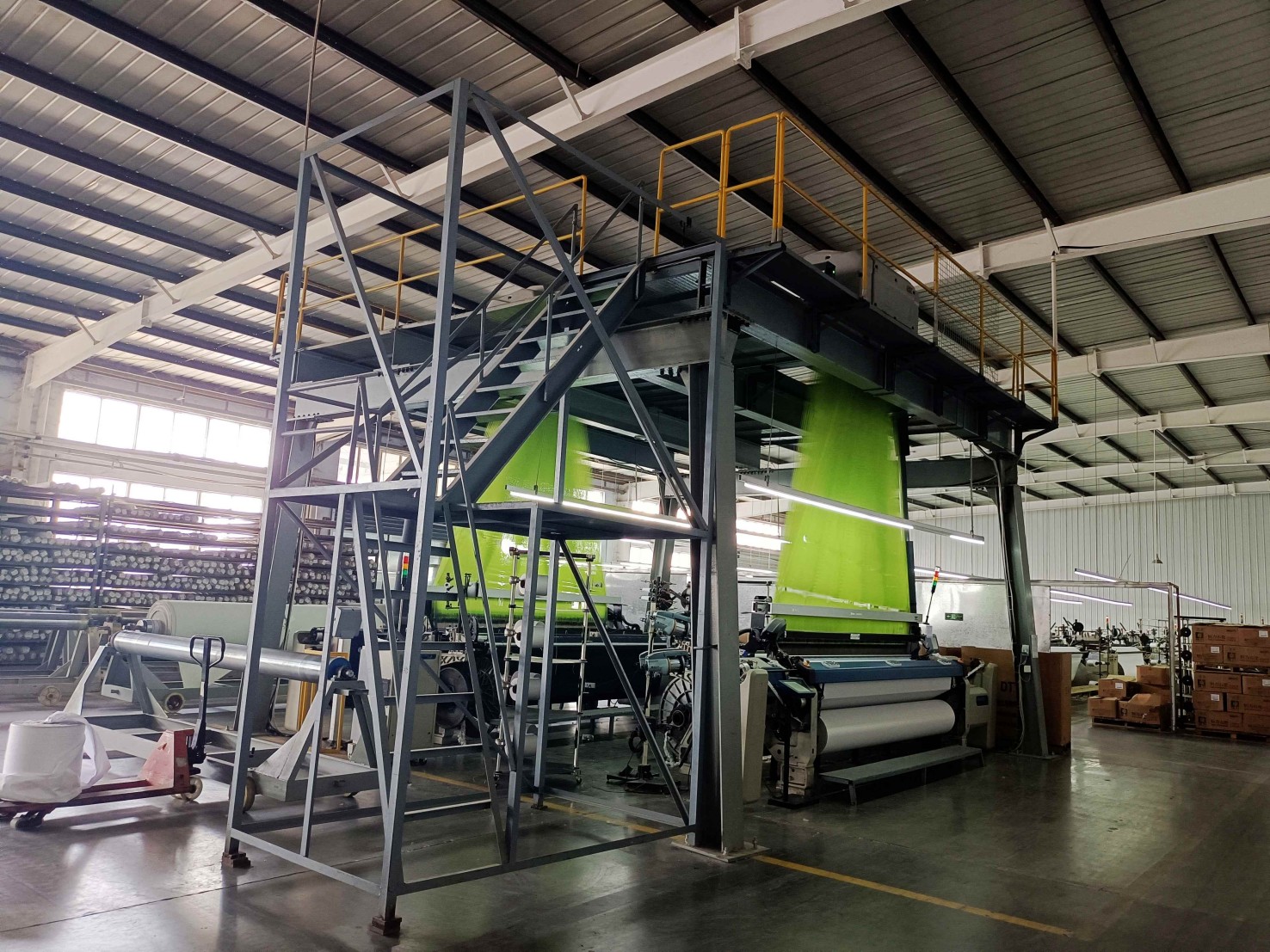
Figure: A modern manufacturing workshop indicative of advanced production control.
2.2 Product Portfolio and Specialization
A broad yet deep portfolio signals market understanding and flexibility.
- Evaluate Range: Can the supplier provide a complete shading fabrics solution across blockout, light filter, translucent, jacquard, and specialized upholstery dobby fabrics?
- Assess Depth: Do they offer nuanced variations within categories? For instance, within blockout fabrics, do they provide options with metallic backing for enhanced thermal performance, or different coating methods (paste vs. foam) for specific handfeel and performance characteristics? Elitex, for example, is noted for its pasted and foam-coated blackout fabrics, considered among the best globally for their look and handfeel.
2.3 Quality Assurance and Certifications (The Non-Negotiables)
Certifications are your independent verification. Do not rely on verbal assurances.
- Request Documentation: Always ask for valid, current certificates. Reputable suppliers will have them readily available.
- Verify Scope: Ensure the certifications apply to the specific products you are purchasing. A supplier like Elitex provides a comprehensive suite of credentials, including ISO management system certificates, GREENGUARD Gold, OEKO-TEX Standard 100, and relevant fire safety approvals (NFPA 701, EN 13773, etc.), backed by a 5-year warranty—a strong testament to product confidence.
2.4 Production Capacity, Lead Times, and Customization
Operational excellence ensures reliability.
- Scalability: Can they handle both large-volume orders and smaller, bespoke runs? Inquire about minimum order quantities (MOQs).
- Customization: Do they offer true custom solutions—from yarn dyeing to specific coating formulations and fabric widths? The ability to develop customized solutions for sunshading fabrics is a mark of a premium partner.
- Global Logistics: Experience in distributing to a global customer base indicates an understanding of international shipping, documentation, and compliance.
3. Due Diligence and Vetting in Practice
3.1 Research and Shortlisting
Start with industry directories, trade shows (like R+T Stuttgart), and peer recommendations. Analyze supplier websites for technical detail, transparency, and client lists. A supplier serving global brands like Springs Window Fashions, Hunter Douglas, Coulisse, or Bandalux has passed rigorous vendor approval processes.
3.2 The Supplier Audit (Physical or Virtual)
Whenever possible, visit the manufacturing facility. A virtual tour is a good alternative. Focus on:
- Cleanliness and organization of the production floor and warehouse.
- Age and maintenance of key machinery (weaving, coating lines).
- Activity in the quality control lab—is it actively used?
- Employee engagement and safety practices.
3.3 Sample Evaluation and Testing
Never skip this step. Order comprehensive samples and subject them to your own tests:
- Physical Test: Check for pinholes by holding the fabric up to a bright light. Assess handfeel, drape, and seam integrity.
- Performance Test: If resources allow, test for UV degradation, color fastness, and tensile strength.
- Compare: Place samples from shortlisted suppliers (e.g., Elitex, Mermet, other specialized manufacturers) side-by-side under identical conditions.
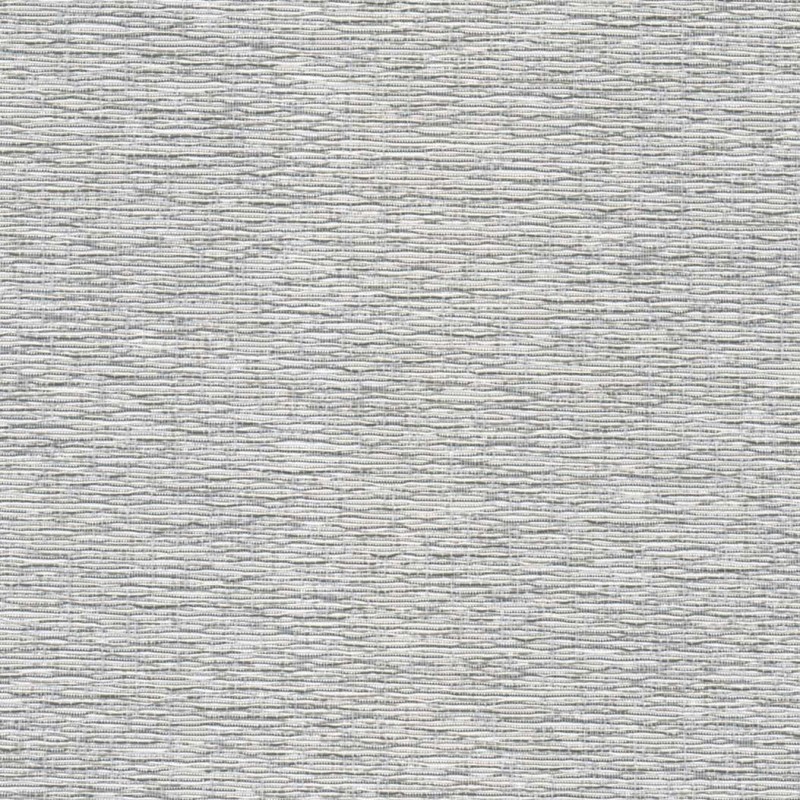
Figure: Evaluating fabric samples for opacity, texture, and color is a critical step.
4. Building a Partnership, Not Just a Transaction
The best supplier relationships are collaborative. Look for partners who demonstrate:
- Proactive Communication: Technical support and responsive problem-solving.
- Market Intelligence: Insights into trends like sustainable materials (e.g., 100% Polyester with acrylic coating fabrics in PVC free formulations) and evolving fire codes.
- Long-term Reliability: Consistent quality over multiple order cycles and through supply chain disruptions.
For instance, a manufacturer with the pedigree of Elitex (Dezhou) Co., Ltd., which has built its reputation since 2003 on high-quality products and services for the international blind and awning industry, typically embodies this partnership approach, offering tailored solutions for residential, commercial, and industrial settings.
Conclusion: A Strategic Sourcing Decision
Selecting a shading fabric supplier is a strategic investment. By meticulously defining requirements, rigorously evaluating suppliers across technical, quality, and operational dimensions, and conducting thorough due diligence, buyers can mitigate risk and secure a competitive advantage. The goal is to move beyond price-centric discussions to value-driven partnerships with manufacturers who can deliver innovation, consistency, and compliance, ultimately ensuring the success of your finished window covering and shading products in the market.
For further information on specific fabric technologies or to request samples, engage directly with manufacturers who provide detailed technical data and transparent communication channels.