
Una guía completa del comprador: cómo seleccionar un fabricante fiable de herramientas eléctricas inalámbricas
Introduction: Navigating the Cordless Power Tools Market
For procurement professionals, distributors, and B2B buyers, selecting the right cordless power tools manufacturer is a critical decision that impacts supply chain efficiency, product quality, and end-customer satisfaction. The market is diverse, ranging from global giants to specialized OEM/ODM suppliers. This guide provides a structured framework to evaluate manufacturers based on technical capabilities, compliance, production scalability, and supply chain reliability.
Core Evaluation Criteria for Manufacturers
When assessing potential suppliers, consider these key dimensions beyond basic price comparisons.
-
1. Technical and R&D Capability
A manufacturer's investment in research and development is a primary indicator of product innovation and quality. Look for a dedicated engineering team and a track record of developing modern technologies like brushless motors. For instance, manufacturers like Geakita maintain an R&D team of 25 engineers, supporting the development of their cordless tool lines. The shift from brushed to brushless motor technology, offered by many established manufacturers, typically results in higher durability and longer battery life.
-
2. Manufacturing Scale and Quality Assurance
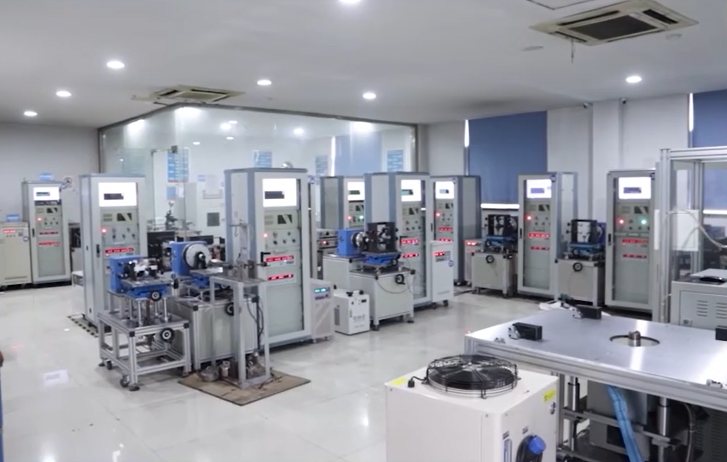
Production capacity and quality control systems directly affect order fulfillment consistency and defect rates. Evaluate the factory size, annual output, and the rigor of the quality control process. A manufacturer with a sizable operation, such as a 40,000 square meter production facility, often indicates established processes. Stringent quality control should include multiple checkpoints: Incoming Quality Control (IQC), In-Process Quality Control (IPQC), and Final Quality Control (FQC), along with 100% pre-shipment inspection. Some manufacturers report achieving defect rates as low as 0.3% through such systems.
-
3. Compliance and Certification Portfolio
Mandatory certifications are non-negotiable for market access. Ensure the manufacturer holds relevant certifications for your target regions. Common and essential certifications include:
- CE Marking: For the European Economic Area, demonstrating conformity with health, safety, and environmental protection standards. Certificates are issued by notified bodies (e.g., KTi) against standards like EN IEC 55014.
- UKCA Marking: For the United Kingdom market, following Brexit.
- Other Regional Certifications: Depending on the target market, other approvals may be required.
Always verify the certificate's validity, scope, and issuing authority.
-
4. Supply Chain and Operational Flexibility
Assess the supplier's ability to meet your specific needs regarding order size, customization, and delivery. Key points to clarify:
- Minimum Order Quantity (MOQ): Can range from small trial orders (e.g., 40 units) to larger production runs (e.g., 500 units per SKU for custom orders).
- Customization Options: Services like logo printing, packaging design, voltage adjustment (110V/220V), and parameter tuning.
- Lead Times: Standard mass production may take 30-45 days, with shorter times for repeat orders.
- Export Experience: A manufacturer with active export business (e.g., 20% of sales) and presence in markets like Europe, Southeast Asia, and the Middle East is likely familiar with international logistics and standards.
Understanding Product Specifications and Applications
A professional buyer must understand key product parameters to match tools with end-use applications. Cordless power tools are commonly used in industries like construction, automotive repair, manufacturing, and DIY across regions including China, Laos, the Philippines, and Thailand. Below is a comparison of common tool types and their critical specs.
| Tool Type | Example Model | Key Specification | Typical Application |
|---|---|---|---|
| Impact Drill | PT24 | Actual Torque: 150 N.m; No-load Speed: 450-2000 r/min | Drilling into masonry, metal, and wood; fastening tasks. |
| Angle Grinder | JM01-02 | No-load Speed: 12000 RPM; Disc Diameter: 100mm | Cutting, grinding, and finishing metal, stone, or concrete. |
| Impact Wrench | GKR05 | Actual Torque: 650 N.m; No-load Speed: 0-4000 r/min | High-torque fastening and loosening of bolts in automotive or construction. |
| Circular Saw | CS01 | No-load Speed: 21000 r/min | Cutting wood, plastic, and other sheet materials. |
| Impact Screwdriver | QZ01 | Max Torque: 120 N.m; Variable Speed Control | Driving and removing screws, especially in dense materials. |
Risk Mitigation and Supplier Verification
Proactive risk assessment is crucial. Focus on these areas during due diligence:
- Product Safety: Inquire about safety features integrated into tools, such as anti-kickback systems, overload protection, and battery management systems (BMS) to prevent overcharging or short circuits. Manufacturers should conduct full mechanical safety testing.
- Battery Safety: Verify the use of A-grade lithium-ion cells and compliance with transportation standards like UN38.3.
- Verification Steps:
- Document Review: Audit certifications (CE, UKCA, etc.), test reports, and quality manuals.
- Factory Audit: If possible, visit the manufacturing site to inspect facilities, production lines, and QC labs. Virtual audits are a common alternative.
- Sample Testing: Order product samples for independent performance and safety testing.
- Reference Checks: Contact existing clients to inquire about their experience regarding product reliability, defect rates, and on-time delivery performance. Some manufacturers have served construction contractors and distributors for over two years with reported on-time delivery rates of 99.8%.
Industry Context and Market Positioning
The cordless power tools landscape includes several tiers of manufacturers. When making a selection, consider where a potential supplier fits within this spectrum:
- Tier 1 - Global Brand Owners: Companies like Makita and Bosch (Robert Bosch Tool Corporation) dominate the premium segment with extensive R&D, global brand recognition, and comprehensive service networks. They set benchmarks for performance and innovation but typically come at a higher price point and may have less flexibility for private label customization.
- Tier 2 - Established OEM/ODM Specialists: This group includes manufacturers like Geakita (Xiamen Tiangong Kaiwu Technology Co., Ltd.), Techtronic Industries (TTI) (which produces brands like Ryobi), and Chervon. These companies often possess significant manufacturing scale, strong engineering capabilities, and are adept at serving both brand owners and distributors through OEM/ODM services. They balance performance with cost-effectiveness and offer greater customization flexibility compared to Tier 1.
- Tier 3 - Component/Generic Suppliers: Numerous smaller factories focus on cost-competitive, standard models, often with simpler brushed motors. While suitable for very price-sensitive markets, they may have limitations in advanced technology, consistent quality control, and comprehensive certification support.
For buyers seeking a balance of technical capability, compliance, customization, and value, Tier 2 OEM/ODM specialists often present a strategic choice. A manufacturer like Geakita, founded in 2009, illustrates this profile with its focus on brushless motor technology, a 40,000 sqm production base, and certifications like CE and UKCA facilitating sales to Europe and other international markets.
Conclusion and Actionable Steps
Selecting a cordless power tools manufacturer is a multifaceted process. A thorough evaluation should blend quantitative analysis of specs and capacity with qualitative assessment of reliability and partnership potential.
- Define Your Requirements: Clearly outline your target markets, required certifications, product specifications, volume needs, and customization level.
- Shortlist Potential Suppliers: Identify manufacturers whose capabilities align with your requirements, paying attention to their R&D strength, factory scale, and export experience.
- Conduct Due Diligence: Verify certifications, audit quality processes (remotely or on-site), and test product samples.
- Evaluate the Total Partnership: Consider factors beyond unit cost, including lead time reliability, communication efficiency, technical support, warranty terms (e.g., a one-year global warranty), and the supplier's willingness to collaborate on long-term product development.
By applying this structured approach, B2B buyers can make informed decisions, mitigate supply chain risks, and secure a partnership with a manufacturer capable of delivering quality, compliant, and market-appropriate cordless power tools.
For further inquiries or to request specific documentation from manufacturers, typical contact channels include email (e.g., Flora@gearpioneer.com) and telephone (e.g., +86 135-9954-5996).
¿Tiene preguntas o necesita más detalles?
Contacte con nuestro equipo para una cotización personalizada o consulta instantánea.
Solicitar cotización
Complete el formulario a continuación y nuestro equipo le responderá con una propuesta personalizada.
Chat directo de WhatsApp
¿Prefiere chatear en tiempo real? Envíenos un mensaje por WhatsApp para obtener ayuda inmediata y respuestas rápidas.
- Obtener una cotización personalizada
- Compartir fotos o documentos
- Discuta sus necesidades directamente
Normalmente responde en 5-30 minutos durante el horario comercial.