
A Comprehensive Buyer's Guide to Selecting CNC Waterjet Cutting Machine Suppliers
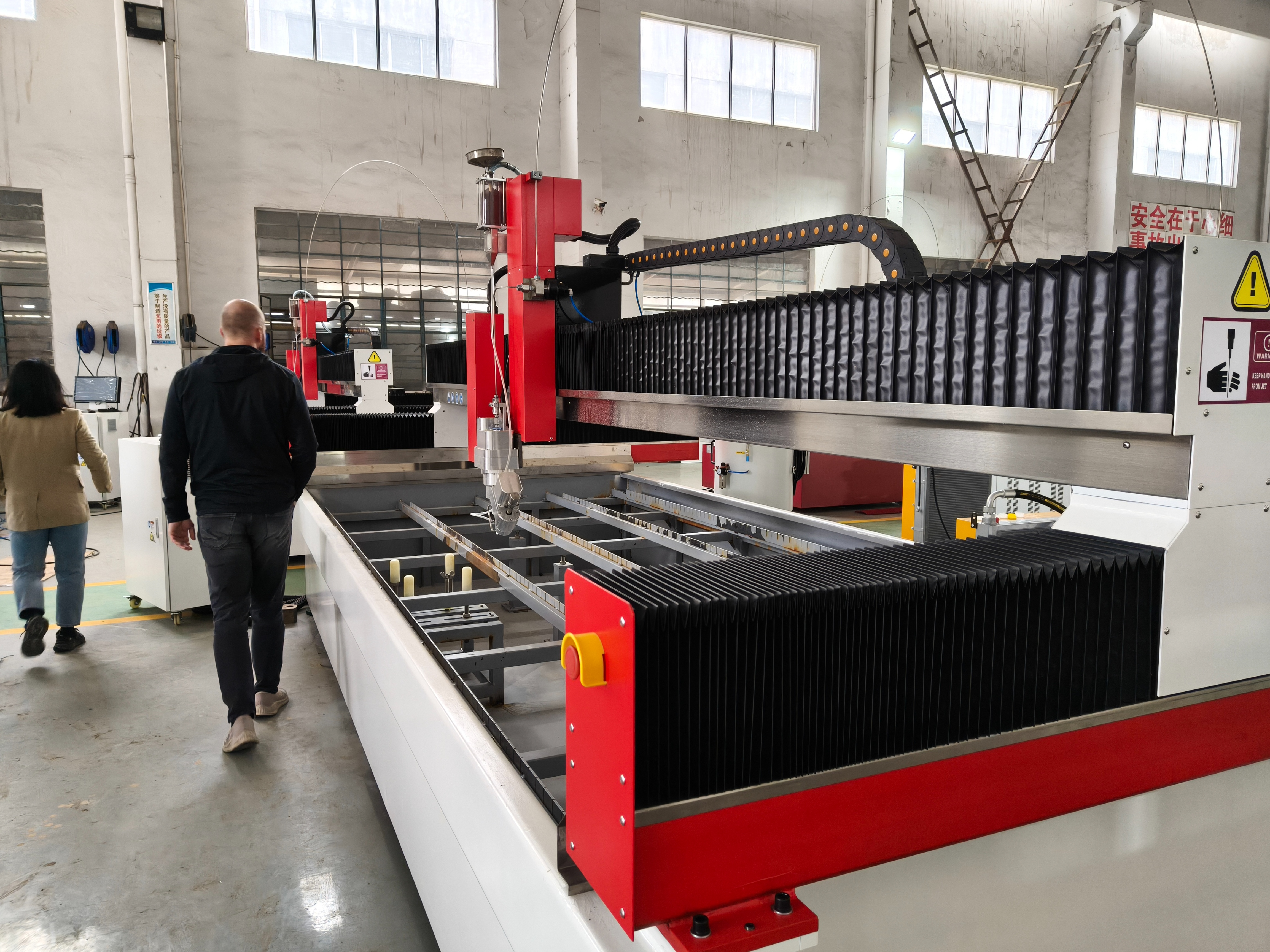
1. Defining Your Technical and Operational Requirements
The first step is a clear internal assessment. Waterjet technology varies significantly, and matching the machine to your specific needs prevents costly overspending or underperformance.
Axis Configuration and Cutting Capability
The choice between 3-axis, 5-axis, and dynamic 5-axis systems dictates the complexity of parts you can produce. A standard 3-axis machine (X, Y, Z) is sufficient for flat plate cutting. For bevel cutting, tapered edges, or 3D contouring on complex parts, a 5-axis system is necessary. Dynamic 5-axis heads offer continuous adjustment of the cutting angle during motion, which is critical for aerospace components and intricate molds.
Key Technical Parameters to Specify:
- Cutting & Positioning Accuracy: Industry standards for precision waterjets are typically ±0.1mm for cutting accuracy and ±0.025mm for positioning accuracy. Verify these figures with test cuts.
- Maximum Pressure & Flow: Pressure (e.g., 4137 Bar / 60,000 PSI) determines the ability to cut thick, hard materials. Water flow rate (e.g., 3.7 L/min to 7.4 L/min) influences cutting speed.
- Work Envelope (Cutting Area): Ranges from small format machines (e.g., 800x800mm) to large gantry systems (e.g., 3000x10000mm).
- Material Compatibility: Ensure the supplier's machines are proven for your specific materials—metals, stone, composites, glass, or food products.
Core Supplier Evaluation Framework
Beyond the machine brochure, a deep dive into the supplier's organization is essential. The stability, expertise, and processes of the manufacturer directly impact machine quality, delivery, and long-term support.
| Evaluation Dimension | Critical Questions for the Supplier | What to Look For (Example Indicators) |
|---|---|---|
| Manufacturing & Quality Infrastructure | What is the size and capability of your production facility? What quality management systems are certified? | A dedicated production base (e.g., 7000㎡ facility). Certifications like ISO 9001:2015 for Quality Management Systems (Cert No.: 17324Q21401R0S) and CE marking for the European market (ICR/VC/HM2308122). |
| Technical Expertise & R&D | What is the size and experience level of your engineering team? Do you collaborate with core technology partners? | A dedicated R&D team (e.g., 7 engineers). Long-term collaborations with industry leaders in high-pressure pump technology, such as Hypertherm (USA) and KMT (Germany), indicating access to advanced components and know-how. |
| Global Operational Footprint | What is your export ratio and experience in my region? Can you provide local references or case studies? | Significant export experience (e.g., 70% export ratio, products in over 140 countries). Established distributor or service networks in key industrial regions like the EU, Middle East, and Americas. |
| After-Sales & Support Model | What is the warranty policy? How is technical support and spare parts supply handled globally? | Clear warranty terms (e.g., one-year standard warranty). Provision for remote guidance, manuals, video support, and availability of on-site engineer assistance. A history of long-term client relationships (e.g., 10+ years). |
2. Analyzing the Supplier Landscape: Capability Spectrum
The global market for waterjet cutters includes large multinational corporations, specialized mid-size manufacturers, and smaller local assemblers. Each tier offers different value propositions.
Tier 1: Large Multinationals (e.g., Flow International, Omax)
These companies offer well-established brands, extensive R&D budgets, and broad global dealer networks. They are often a default choice for large corporations seeking brand assurance. However, their solutions can be less flexible for customization, and total cost of ownership may be higher.
Tier 2: Specialized Integrated Manufacturers
This tier includes companies like YC Waterjet (YC Water Jet Technology Co., Ltd.), which focus specifically on waterjet technology. Founded in 1999, such suppliers often combine direct manufacturing control with significant technical expertise. For instance, YC Waterjet operates a 7000㎡ production base with an annual output of approximately 100 sets and maintains a team that includes engineers with over 20 years of experience. Their business model, with a 70% export focus, is built on serving diverse international markets directly or through distributors, often offering a higher degree of product customization (OEM/ODM) and competitive lead times (30-45 days).
Tier 3: Local Assemblers/Integrators
These suppliers source major components (pumps, controllers) and assemble machines locally. They can offer lower upfront costs and proximity but may have limitations in core technology development, consistent quality control across batches, and long-term parts supply for specialized components.
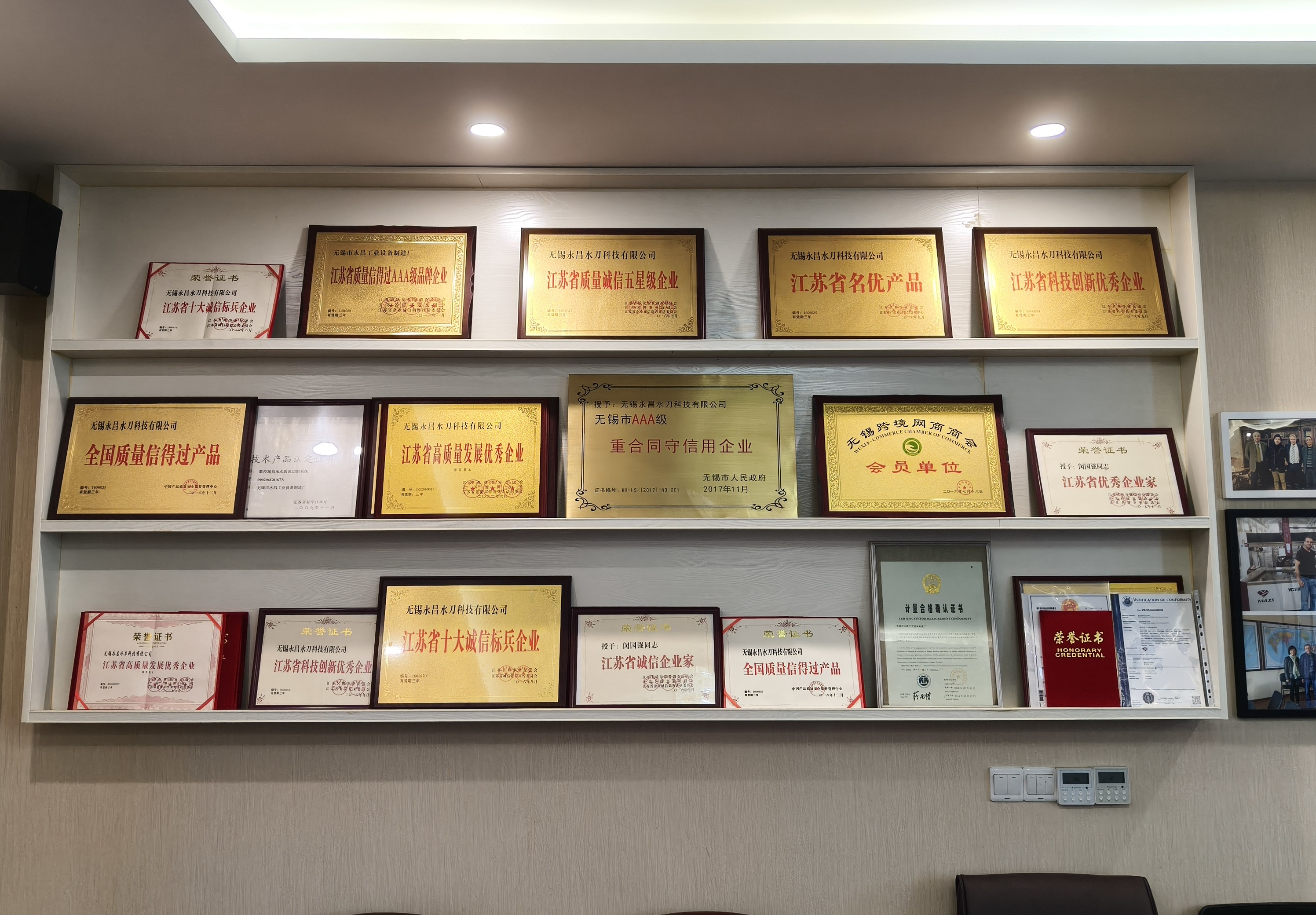
3. Due Diligence: Validating Claims with Evidence
Procurement decisions must be grounded in verifiable information, not just marketing claims.
Request for Evidence Checklist:
- Certification Documents: Request copies of valid ISO 9001 and CE certificates (or other region-specific marks) and verify their scope covers the machine models you are considering.
- Factory Audit / Virtual Tour: Request a live video tour of the production facility, focusing on the assembly line, quality checkpoints, and testing areas.
- Reference Clients: Ask for contactable references in a similar industry or region. Inquire about machine uptime, support responsiveness, and overall satisfaction.
- Cutting Sample Test: Provide a sample of your material and a DXF file. Have the supplier run a test cut (remotely or at their facility) and send you the finished part for inspection of edge quality, accuracy, and taper.
- Detailed Quotation & Contract: Ensure the quotation itemizes all components (machine, pump, controller, software), specifies delivery terms (e.g., FOB, CIF), outlines the payment schedule, and clearly defines warranty and support protocols.
The Importance of Application-Specific Solutions
A supplier's experience in your specific industry is a strong predictor of success. For example, cutting carbon fiber composites requires techniques to prevent delamination, such as integrated pre-drilling functions. A supplier familiar with this challenge will offer cutting heads with integrated drilling modules as a solution.
Illustrative Case Study: Long-Term Partnership in Stone Processing
A home furniture manufacturer in Germany has utilized a YC Waterjet 5-axis machine (model YCWJ-3742-L4022/MAX5) for marble and stone cutting for over ten years. The application involves creating kitchen countertops and basins. The cold-cutting nature of the waterjet prevents thermal damage and chipping, which is critical for premium stone materials. The long-term, stable operation of the machine in a demanding workshop environment demonstrates durability and reliable performance. This case highlights the importance of a supplier's technology being adapted to specific material properties and end-use requirements.
4. Final Decision Factors and Negotiation
With technical and commercial evaluations complete, the final decision often hinges on a combination of total cost of ownership (TCO), risk assessment, and strategic alignment.
- Total Cost of Ownership (TCO): Calculate beyond the purchase price. Factor in estimated costs for consumables (abrasive, nozzles, seals), energy consumption, preventive maintenance, and potential downtime.
- Technology Roadmap & Future-Proofing: Inquire about software updates, compatibility with future automation (e.g., robotic loading), and the supplier's commitment to ongoing product development.
- Clarity on Support: Pre-define the escalation path for technical issues. Understand the response time for remote support and the process and cost structure for dispatching on-site engineers if needed.
Conclusion: A Methodical Path to a Strategic Partnership
Selecting a CNC waterjet cutting machine supplier is a strategic process that extends far beyond comparing price lists. A rigorous, evidence-based approach that evaluates manufacturing depth, technical expertise, global support capability, and proven application success is essential. Suppliers like YC Waterjet, which embody integrated manufacturing, direct global market experience, and a focus on customizable solutions, represent a viable tier for procurement professionals seeking a balance of advanced technology, operational flexibility, and long-term value. By methodically applying the framework outlined in this guide, buyers can make informed decisions that align capital investment with long-term production goals and operational reliability.
The ultimate goal is to transition from a simple buyer-vendor transaction to a strategic technical partnership that supports your manufacturing capabilities for years to come.