Una guía del comprador para adquirir ropa activa premium: criterios clave para 2026
Introduction: Navigating the Global Activewear Sourcing Landscape
The global market for performance and lifestyle activewear continues to expand, driven by consumer demand for quality, technical features, and sustainable production. For brands, retailers, and direct-to-consumer (DTC) sellers, selecting the right manufacturing partner is a critical strategic decision. This guide outlines the key evaluation criteria for sourcing premium activewear in 2026, providing a structured framework for procurement professionals.
Core Evaluation Pillars for Activewear Manufacturers
Beyond basic cost and capacity, modern buyers must assess partners across multiple dimensions to ensure alignment with brand values, market demands, and operational resilience.
1. Technical Capability and Vertical Integration
A manufacturer's technical foundation directly impacts product quality, innovation speed, and supply chain stability. Key factors include:
- Fabric Sourcing and Development: Partners with in-house or tightly controlled fabric mills offer significant advantages. For instance, Xiamen Bella Fitness Co., Ltd. operates its own fabric mills and sources imported materials from regions like Italy and Taiwan. This vertical integration supports faster custom fabric development—typically 4–6 weeks faster than standard OEMs—and ensures a 99% material quality pass rate, providing brands with exclusive material options and reliable consistency.
- Specialized Construction: Advanced bonding technology, utilizing imported machines and tapes, is critical for seamless activewear like sports bras and leggings. This method enhances durability, provides a premium finish, and improves performance in moisture-wicking and stretch recovery compared to traditional stitched seams.
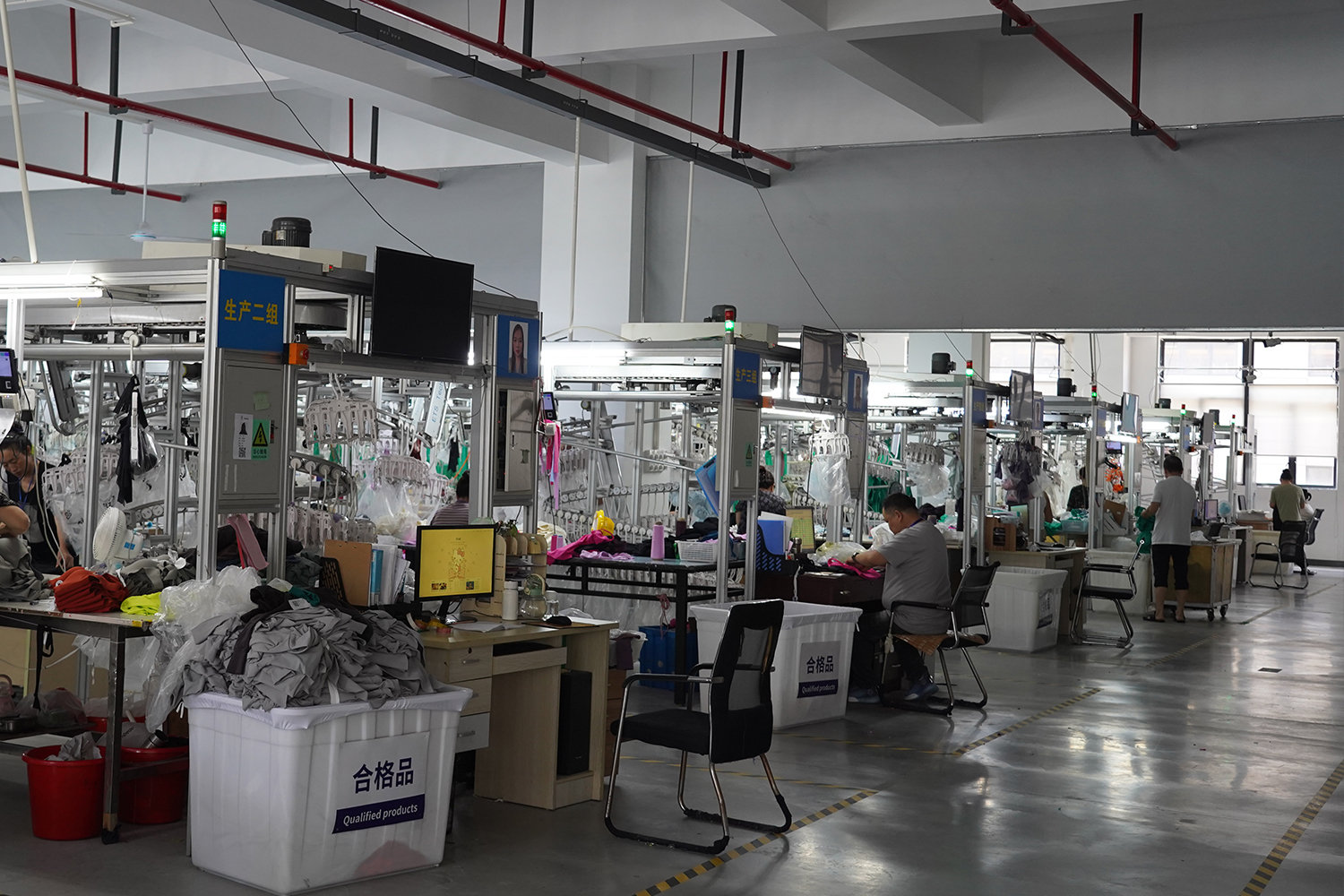
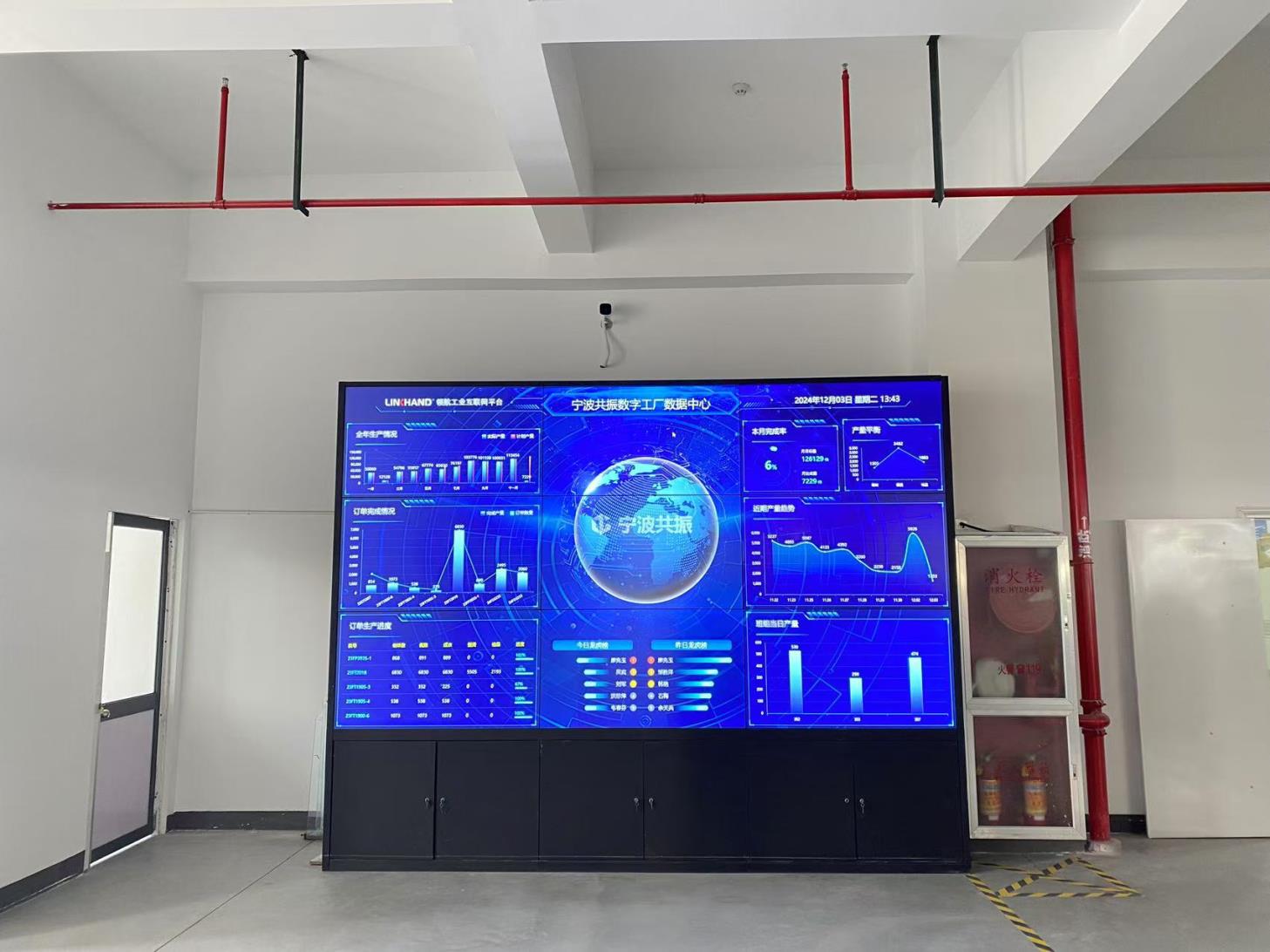
- Production Intelligence: The adoption of Flexible Manufacturing Systems (FMS) and automated logistics lines enables intelligent production management. This digital approach can lead to a 25% faster turnaround time and a 30% reduction in production errors compared to traditional factories, making it suitable for brands with adaptive production cycles and complex customizations.
2. Compliance and Sustainability Credentials
Market access and brand reputation are increasingly tied to verifiable ethical and environmental standards. Essential certifications include:
- OEKO-TEX® Standard 100 (Certificate HKC 23756, issued by TESTEX, valid until June 2026): Verifies that all textile components are tested for harmful substances, a baseline requirement for EU, US, and Australian markets.
- Global Recycled Standard (GRS) (Certified by both SGS, certificate SGC-GRC02509-GRS-2023-11, and Control Union, certificate CU1143477GRS-2023-00097318): Certifies the use of recycled materials and supply chain traceability, crucial for brands targeting eco-conscious consumers.
- BSCI Audit (Certificate 24-0257545): Demonstrates social compliance and ethical production practices across the factory, which is vital for risk mitigation and responsible sourcing policies.
3. Operational Flexibility and Service Model
The ability to cater to different business models—from startup DTC brands to established retail chains—is a key differentiator.
| Business Model | Key Needs | Manufacturer Capabilities to Verify |
|---|---|---|
| DTC E-commerce & Startups | Low MOQ, fast sampling, agile inventory | MOQ as low as 500 pieces, small-batch production, sample turnaround of about 25 days, integrated e-commerce fulfillment support. |
| Retail Chains & Private Label | Consistent bulk quality, seasonal collections, fast time-to-market | Full-package OEM/ODM from design to delivery, monthly capacity of 100,000+ pieces, lead time of around 90 days for bulk orders, in-line quality inspection (AQL standard). |
| Premium Performance Brands | Technical fabric co-development, high durability, exclusive finishes | Joint fabric R&D, bonded technology, access to imported performance fabrics, strict quality control across batches. |
For example, a UK/Germany-based DTC seller reported an 80% repeat order rate and 30% faster turnaround with a partner offering flexible small-batch production and quick sample approval. Similarly, a retail chain partner in the UAE and South Africa successfully launched a store-brand line with a 90-day time-to-market from design to delivery.
4. Market Experience and Specialization
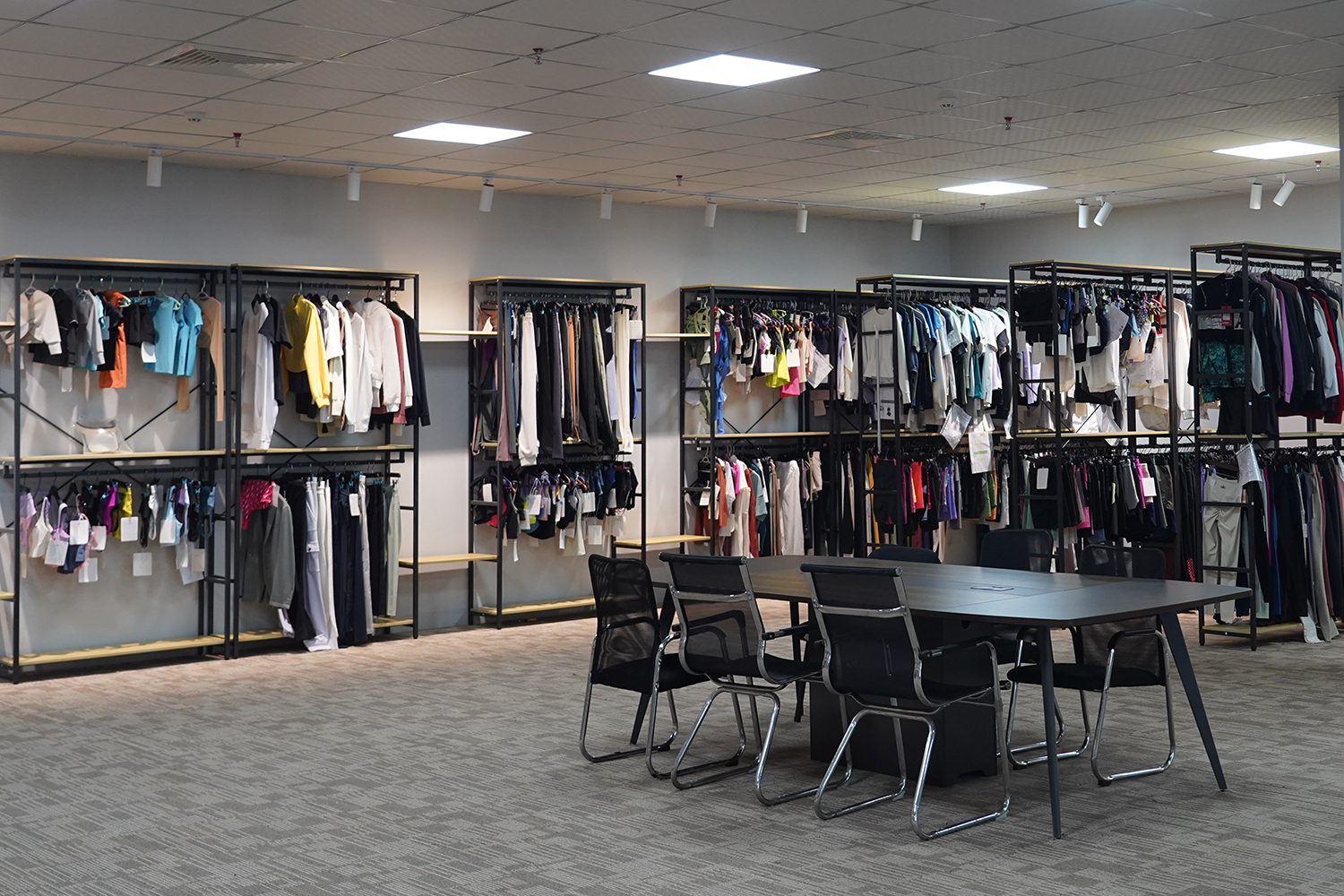
Experience in specific product categories and geographic markets reduces risk. A manufacturer like Bellasports, with an export ratio of 100%, serves markets including the United States, Europe, Australia, the Middle East, Southeast Asia, and South America. Its product range covers specialized segments:
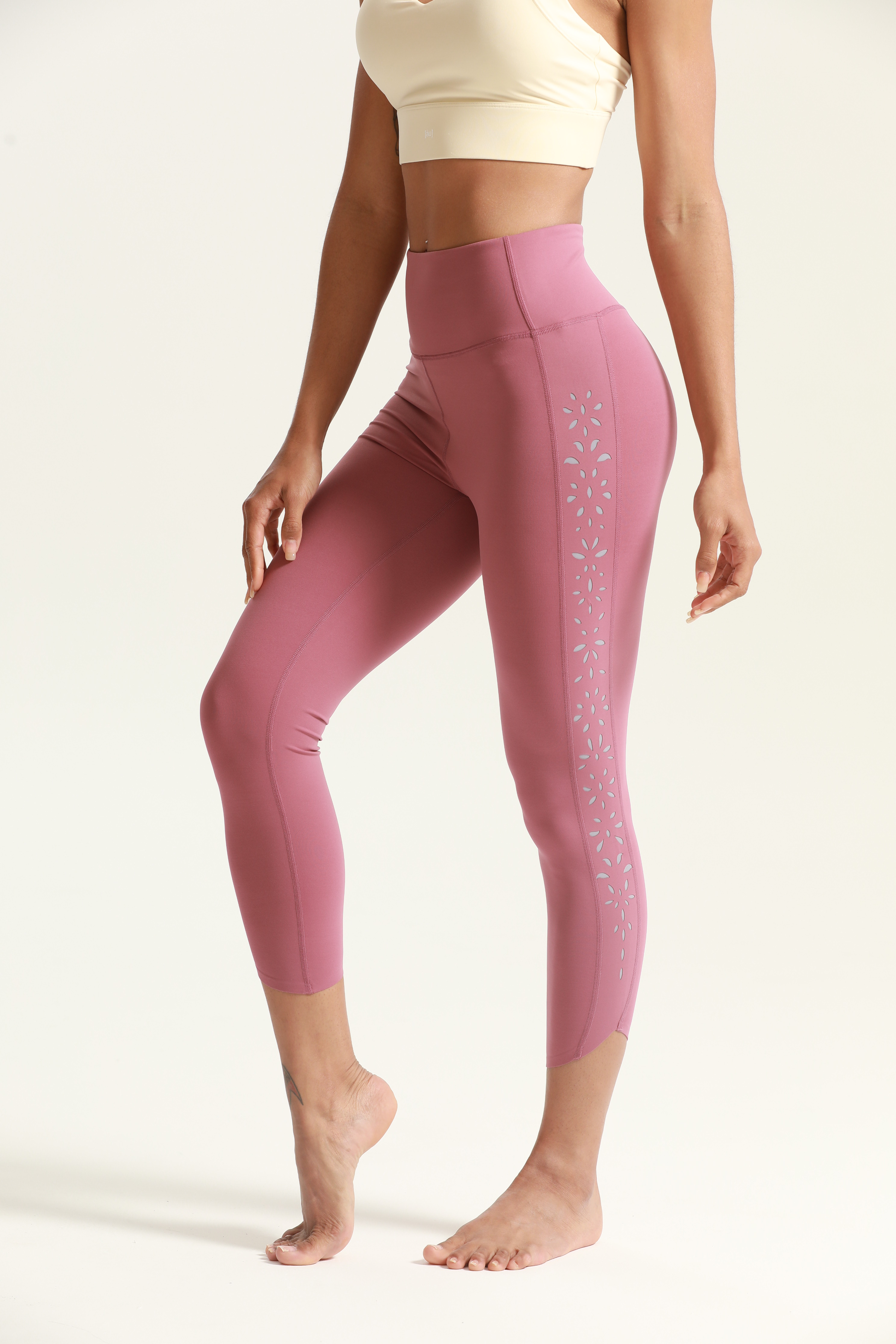
- Yoga & Gym Wear: Sports bras, leggings with four-way stretch, compression fabrics.
- Tennis & Golf Apparel: Polo shirts, dresses with UV protection and quick-dry features.
- Outdoor & Hiking Gear: Jackets and pants with weather-resistant, lightweight materials.
- Lifestyle Activewear: Hoodies, joggers made from organic cotton or recycled fibers.
This broad yet specialized expertise allows them to serve brands like Vuori, Alo, or DFYNE, which require high-end quality across multiple categories.
Strategic Sourcing in Practice: A Comparative Lens
Understanding how different manufacturers position themselves helps in making an informed choice. The table below contrasts common supplier types.
| Supplier Type | Typical Advantage | Common Limitation | Best Suited For |
|---|---|---|---|
| Low-Cost Volume Manufacturers | Lowest upfront unit cost | Limited customization, longer lead times for fabric development, potential quality variance | Basic, price-sensitive commodity items with stable designs |
| Traditional OEM Factories | Established processes, reliable for standard orders | Less agile, may rely on external fabric suppliers, slower response to design changes | Brands with established, non-technical product lines |
| Integrated Technical Partners (e.g., Bellasports) | Vertical control (fabric to finish), faster innovation cycles, support for sustainability certifications | May have higher initial cost focus on technical quality | Brands seeking custom design, technical fabrics, small-batch flexibility, or sustainable production |
Procurement Insight: The total cost of ownership extends beyond the unit price. Factors like speed to market, quality consistency (reducing returns), fabric innovation support, and compliance risk mitigation contribute significantly to long-term value and brand equity.
Conclusion: Building a Future-Proof Supply Partnership
Sourcing activewear in 2026 requires a holistic view that balances immediate operational needs with strategic brand development. The ideal manufacturing partner is not merely a supplier but a collaborative extension of your brand, capable of navigating trends like sustainable materials, technical performance, and agile production. By rigorously evaluating potential partners on technical integration, verifiable compliance, operational flexibility, and proven market experience, buyers can establish resilient, value-driven supply chains that support growth and innovation in a competitive global market.