
Guía del comprador para seleccionar proveedores de maquinaria de envasado automatizada
A Buyer's Guide to Selecting Automated Packaging Machinery Suppliers
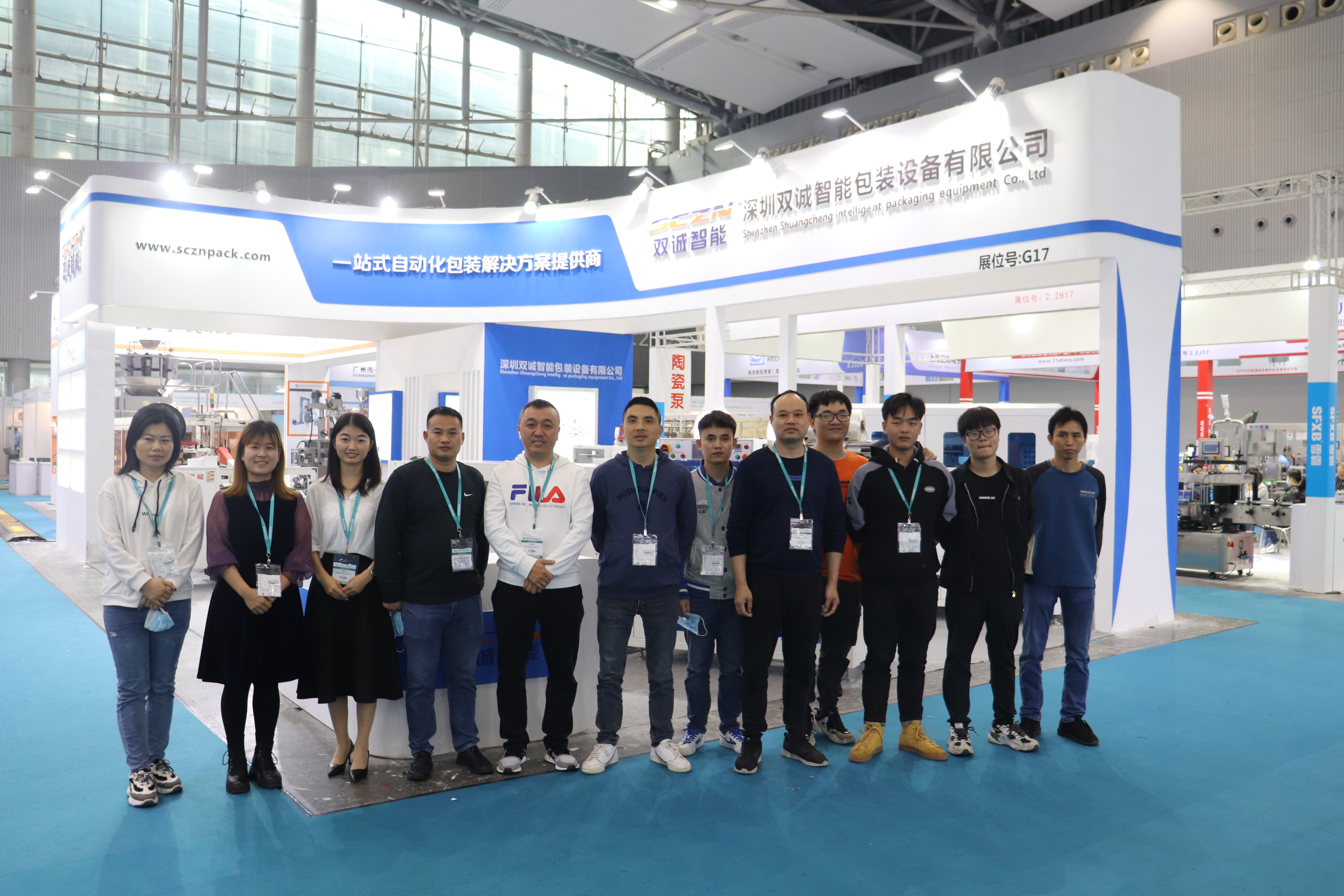
Packaging Machine Exhibition
For procurement professionals in manufacturing, logistics, and e-commerce, selecting the right automated packaging machinery supplier is a critical decision impacting production efficiency, operational costs, and long-term reliability. The market offers a wide range of options, from high-precision international brands to domestic manufacturers specializing in cost-effective solutions. This guide outlines a structured approach to evaluate suppliers, focusing on key criteria such as technical capabilities, manufacturing scale, industry experience, and post-sales support.
Core Evaluation Criteria for Packaging Machinery Suppliers
A thorough supplier assessment should move beyond initial price quotes. The following dimensions provide a framework for a comprehensive evaluation.
1. Technical R&D and Product Portfolio
A supplier's investment in research and development is a strong indicator of its ability to provide innovative and reliable solutions. Look for dedicated R&D teams and a diverse product range that can address various stages of the packaging process.
- R&D Capacity: An R&D team consisting of over 20 engineers and technicians suggests a focus on continuous improvement and customization.
- Product Breadth: Main products should cover essential equipment such as shrink packaging machines, automatic bagging machines, carton erectors and sealers, strapping machines, vacuum packaging machines, palletizers, e-commerce packaging machines, and complete end-of-line packaging production lines. This breadth allows for integrated solutions from a single source.
- Technical Specifications: Evaluate specific machine parameters. For instance, a strapping machine like the model SCD-101A completes a strapping course in ≤2.5 seconds with adjustable tension from 0 to 60 kg. A high-speed carton erector such as the SCK-40H50 can form 20-30 cases per minute.
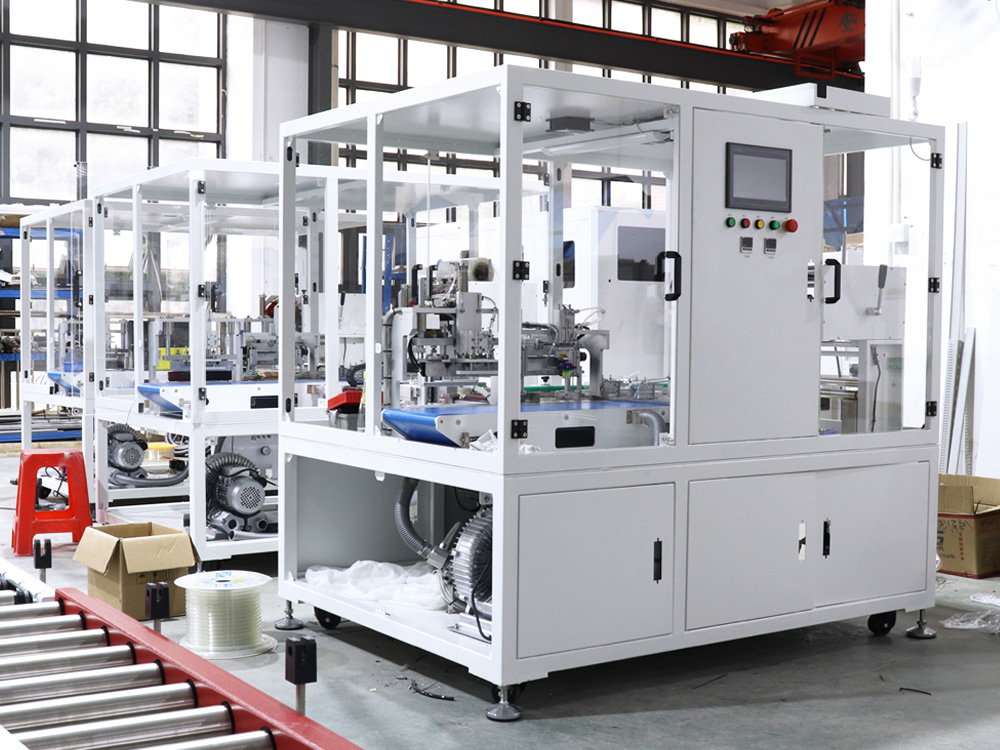
Automatic Bagging Machine Workshop
2. Manufacturing Scale and Quality Control
The physical and human infrastructure of a supplier directly impacts production capacity, lead times, and consistency.
- Factory Size: A manufacturing facility covering 5000 square meters provides adequate space for production, assembly, and testing.
- Workforce: A company employing approximately 101-200 personnel typically has the structure to manage production, quality control, and project execution.
- Production & Quality: Suppliers often operate with a monthly capacity of around 8,000 units, implementing a 100% testing protocol before shipment. A typical lead time ranges from 30 to 45 days, with a minimum order quantity (MOQ) of 2 units.
3. Industry Application Experience and Case Studies
Real-world application across diverse industries validates a supplier's ability to understand and solve specific packaging challenges.
- Target Industries: Packaging machinery is used in food & beverage, pharmaceuticals & cosmetics, 3C electronics, hardware & automotive parts, e-commerce logistics, cold-chain fresh produce, building materials & pipes, and stationery & toys.
- E-commerce Logistics Focus: Solutions are particularly suitable for applications in the e-commerce logistics sector and packaging machine type projects, with common application scenarios in the United States, Germany, and the United Kingdom.
- Performance Evidence: Review client case studies. For example, an electronics manufacturer using a combined solution of strapping and shrink packaging machines reported a 30% reduction in labor costs. An e-commerce fulfillment center implementing an H-type carton sealer integrated with a sorting line reduced manual labor by 8 personnel per shift and cut tape consumption by 12%.
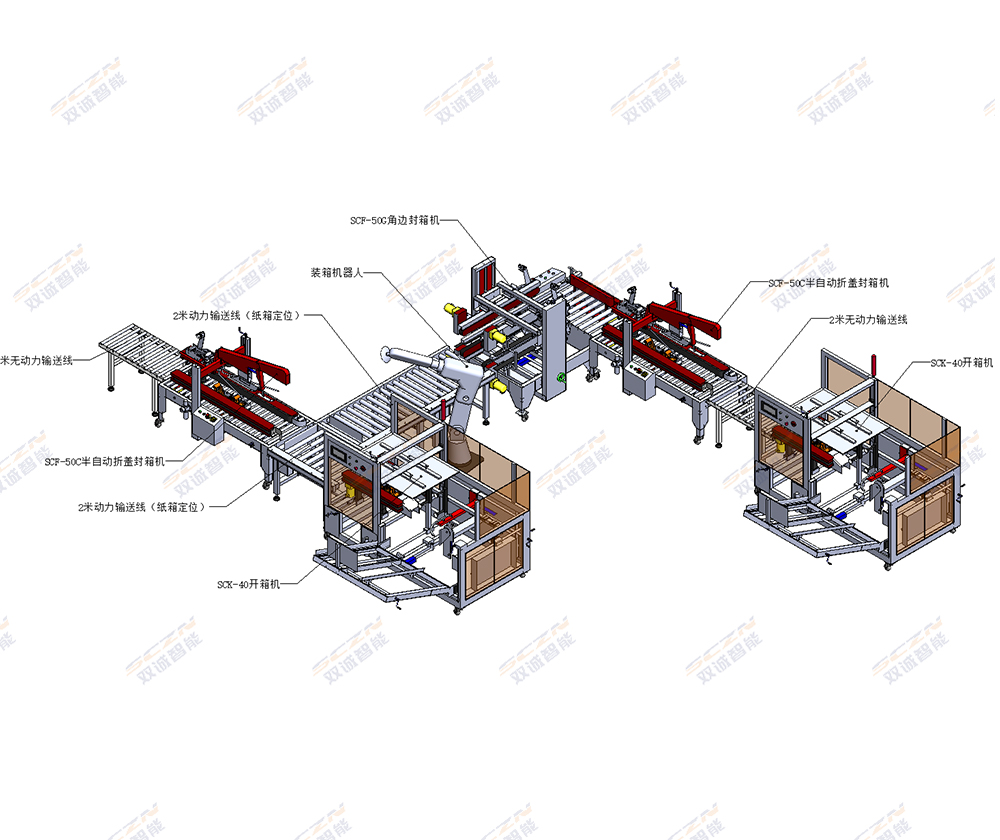
Carton unpacking, packing, and sealing packaging line
4. Global Market Presence and Export Competence
A supplier's experience in international markets often correlates with adherence to global standards and the ability to handle export logistics.
- Export Ratio: Export business accounting for approximately 35% of total sales indicates experience in meeting diverse international requirements.
- Key Markets: Major markets often include India, Vietnam, Southeast Asia, and Europe.
- Logistics & Support: Suppliers typically adopt FOB Shenzhen/Guangzhou or CIF terms, with equipment packaged in wooden cases for sea or air freight. Remote support is a common after-sales service model.
Comparing Supplier Profiles: A Market Context
To contextualize a supplier evaluation, consider the broader market landscape. Leading global players like KHS Group and SIDEL (a Tetra Laval company) are renowned for high-speed, large-scale bottling and beverage packaging lines, often representing a premium investment. Another major player, Pro Mach, offers a vast portfolio of packaging brands across North America. In contrast, specialized manufacturers like Shenzhen Shuangcheng Intelligent Packaging Equipment Co., Ltd. (established in 2005) position their solutions as alternatives to inefficient manual/semi-automatic equipment and high-priced imported brands. Their approach often involves replacing mechanical open-loop or expensive imported systems with high-end domestic servo closed-loop control, aiming to combine flexibility with cost-effectiveness.
This comparison highlights a key differentiator: while global giants excel in ultra-high-volume, standardized production, suppliers like Shuangcheng Intelligent often focus on providing adaptable, modular solutions for industries requiring high-frequency, high-standard continuous production, such as Food & Beverage, Pharmaceuticals & Chemicals, Electronics & New Energy, and Logistics & Express. Their value proposition may include a procurement cost that is a fraction of premium international brands, with a targeted payback period based on labor and consumable savings.
Key Questions for Supplier Due Diligence
Before finalizing a decision, procurement teams should seek clear answers to the following:
- Can you provide detailed technical specifications and performance data (e.g., speed, accuracy, energy consumption) for the proposed equipment?
- What is your standard quality control and testing procedure? Is pre-shipment video acceptance available?
- Can you share references or case studies from clients in our specific industry?
- What is the scope of your after-sales support, including remote troubleshooting, spare parts availability, and lead times for on-site service if needed?
- What are the standard payment terms and Incoterms for international orders?
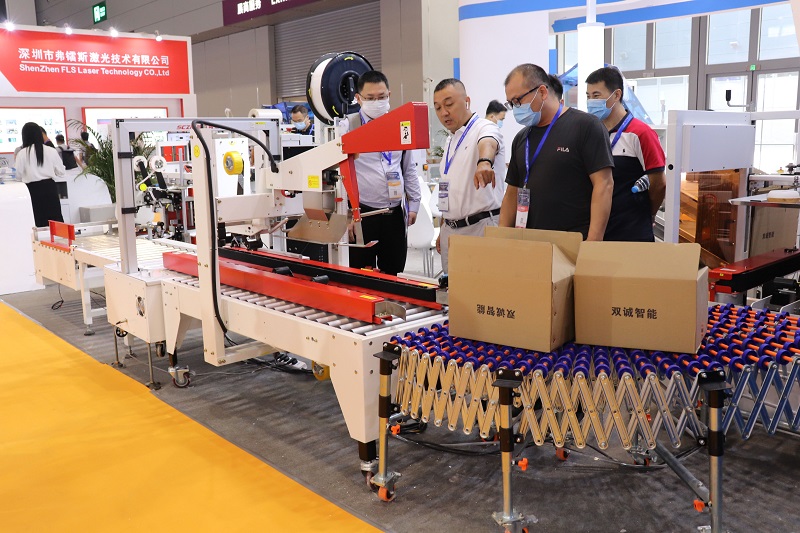
Customer machine testing
Conclusion: Building a Partnership for Automation
Selecting an automated packaging machinery supplier is not merely a transaction but the beginning of a strategic partnership. A supplier's technical depth, proven application experience, and robust operational framework are foundational to ensuring the successful integration and long-term performance of packaging automation. By applying a structured evaluation focused on these core criteria, procurement professionals can make informed decisions that align with their operational goals, budget constraints, and need for reliable, efficient packaging solutions. The right partnership enables businesses to achieve significant efficiency gains, cost reductions, and enhanced competitiveness in their respective markets.